Case Studies

Linlithgow Community Development Trust visit to Edinburgh Tool Library

Working with established networks for better engagement

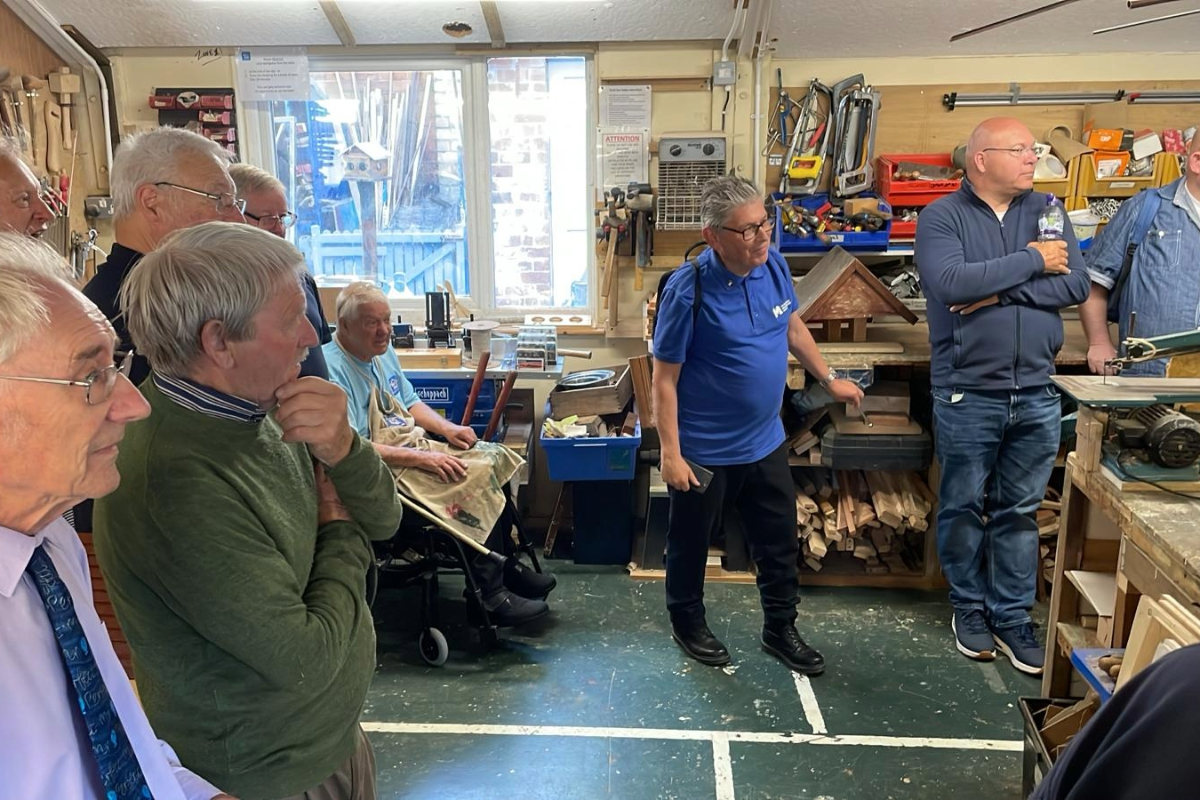
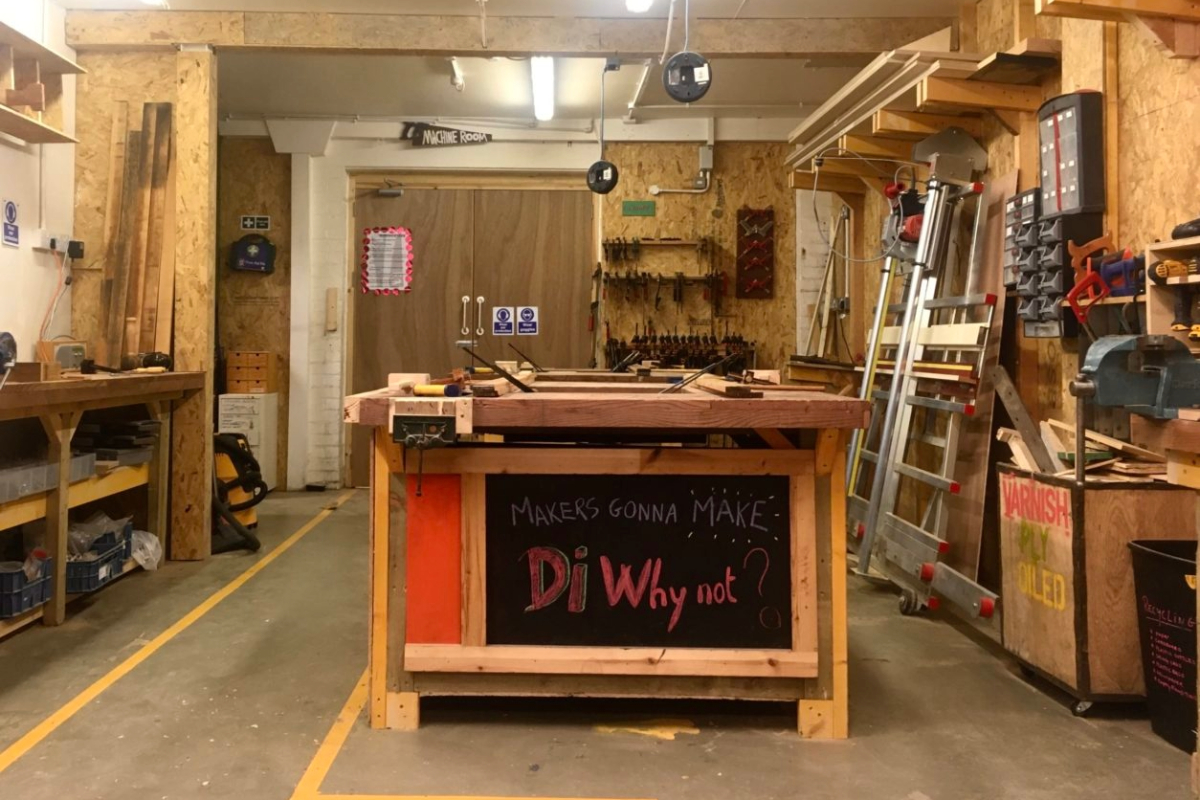
A tool workshop

We discussed all points around the learning outcomes. The main takeaways for both outcomes 1 and 2 are that working with established community groups who are already embedded in the geographical/related subject areas are a great way to gain buy in from communities and also to act as an intermediary when gathering requirements and assessing if a location is suitable for expansion. Information on workshops was useful in terms of practical/logistical arrangements, and made us think about how we could offer a range of workshops to our members as well as to the general public.

Learning Outcomes

  • Understand the benefits and best practice around running projects that are inclusive of adults with learning disabilities/additional support needs.
  • Explore the ‘Hub and Spoke’ model for expanding sharing services – what are the obstacles and considerations for identifying suitable locations.
  • Understand the success ETL have enjoyed around providing workshops – both the financial benefits and the knock-on effects this may have on TL membership and community engagement.

"We were impressed by the logical and organised layout of the TL space, and by the positive signs and the code of conduct for the members. Chris' knowledge is excellent and I know that the volunteers that accompanied me on the exchange have several ideas they can incorporate in Linlithgow. I am going to be following up with Chris about some work the ETL do on demographic surveys, in order to better understand how we engage with a wider audience."

Case Studies

Greener Kirkcaldy visit to Angus Cycle Hub

Active travel exchange

Image of bikes and seating area inside Angus cycle hub

Seeing how the open workshop sits alongside the cafe and public area was invaluable. The use of easy build screens, that were very well decorated and had ample signage and information on them
greatly enhanced the experience of someone visiting for the first time. These are used very flexibly to mark boundaries between different areas, and can be moved very easily with lockable castors
The use of a screen to display a rolling slideshow about services, events and other useful information digitally was great, very professional looking and easy to amend and update to keep current at very little ongoing cost.

When classes and events take place at the Dundee Cycle Hub, everything on the floor is moveable to clear required space and the large screen is used to show films, presentations and any other useful visual aids. Most of the active travel information is there for people to access independently, but all members of staff from the workshop, retail and cafe have had in house training on how to discuss active travel and where to signpost people to find out more, especially around journey planning.

We learned about their workshop management system (Citrus Lime) and their Point of Sale system (Square) and how these don’t work together very well and discussed our won findings that Hub Tiger workshop management can integrate with Square. We were also very impressed with the simple way that Square can host online sales of bikes through their web
based shop function.

Learning Outcomes

  • Explore how active travel advice is given to individuals on site.
  • View how active travel information is displayed and accessed on site.
  • See how the cycle shop and workshop work alongside the active travel centre and cafe.

"There was a great deal of inspiration to be taken from their collaborative work with Dundee City Council, Dundee Dragons adaptive cycling and the breadth and scale of their Access to Cycles work, across the whole of Dundee and Angus."

Case Studies

Weaving Words and Wonder visit to Orkney Folklore and Storytelling Centre

Storytelling tools for inclusion

Image of a cairn in Orkney by the sea

Seeing how Orkney Folklore and Storytelling works with additional support needs has reinforced what is unique in our own practice. The storytelling is interactive with the audience and has space for children’s different ways of receiving the stories. The Centre also run ceramic workshops for children and families and we could really see the quality of what the children produce and the experience of a traditional craft – the slow process of drying the clay, firing, glazing and glaze-firing and how stories build through the characters which emerge. Also the environmental
benefits of this slow craft where there is a lot less waste than with other forms of art ‘n’ crafts.

We explored how the peoples’ Island Calendar and their partnership with the ancient landscapes and surrounding seas has shaped the social landscape of today in these magical Highland and Islands of Scotland. This will enable us to share this knowledge with our Moray audiences – to enrich our tales with the first hand account of The Islands, the islanders and their history, culture, traditions and lives.

Learning Outcomes

  • Find out about past Highlanders’ and Islanders’ culture, social customs, work traditions and beliefs.
  • Learn how to make our story telling sessions inclusive of those children who may find it challenging to just sit and listen to a story – enabling our stories to reach a broader audience and include those with Additional Support Needs.
  • To learn the Folklore, Folk Tales, Legend, Rhymes, Poetry, Sagas, sea legends, crofting tales and myths to share with our Moray audiences.

"The experience of being on Orkney brings a depth and detail to our stories which would be missing if we hadn't seen the height and majesty of the standing stones, crawled through the deep dark tunnels of the ancient chambered burial cairn of dogs and re-emerged into the bright light of morning, gentle green hills sloping down to the turquoise loch and affirming that we live because of those who have gone before."

Case Studies

Community Woodlands visit to Dunnet Community Forest

Sharing Community Woodland practices

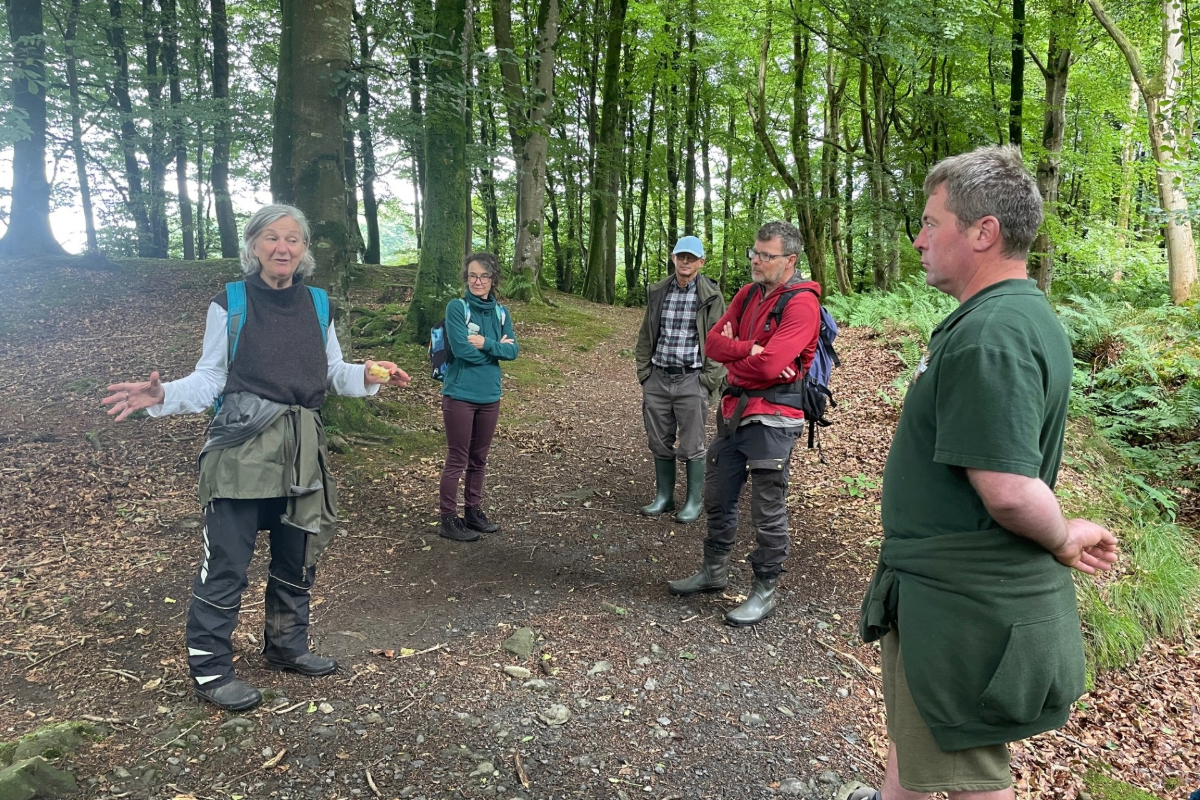
A group of people standing in Dunnet Community Forest

The visit allowed us to speak with staff and volunteers, young and old and to recognise what an important asset Dunnet Community Forest is to a fairly wide community. It has prompted me to follow up on certain specifics, such as the Volunteer Friendly and Scottish Ranger awards and to look into ways of engaging young people in the management and study of our own community wood. It was good that one of our younger volunteers, who is making his way as a forestry professional, was able to make the trip and pick up lots of information that will serve him well in his career.

Although the woods are very different in terms of location and landscape there were lots of great ideas that are transferable to our woodland. This includes using brash as a deterrent for deer when planting trees instead of plastic tree guards, working with young people and volunteers, improving grasslands and learning about long term woodland management. Although our woodland is not as large we have the same challenges and it was great to discuss ways of meeting them.

Learning Outcomes

  • Learn some of the methods Dunnet Community Forest has used to sustain engagement with different community demographics and about their small enterprise by joining for Saturday morning log sale to learn more.
  • Learn about the results achieved and the plans created for the future.
  • Learn about some of the extensive collaborations that support this community woodland group.

"Dunnet CF is a very different forest from our own and has required a huge effort to even start to get it into shape. I applaud the effort of the team of volunteers and staff over the years. I do not see us running a similar log scale operation but I picked up some tips about log extraction and storage which may be useful to us. It was good to learn about the youth volunteering sessions and to meet some of the keen participants. Also good to learn about the butterfly bank and what is involved. I will look into the Volunteer Friendly Award and the SCRA Scottish Junior Ranger Award. "

Case Studies

Edinburgh Community Food visit to The Courtyard Pantry Enterprise; Glasgow Community Food Network; Transition South Edinburgh; The Haven

Strengthening local food systems through equity and justice

People viewing a mobile food bike

The exchange effectively supported all three specified learning outcomes, the participants engaged in high-quality discussion, and the learning objectives were successfully met. In relation to strengthening local food systems, attendees explored practical strategies for connecting with local producers and building resilient community food networks. Insights from The Courtyard Pantry and Glasgow Community Food Network highlighted how collaboration, transparency, and community-led models can improve access to affordable, fresh food.

The exchange also supported learning around improving food access for low-income households. The Courtyard Pantry’s social enterprise model provided a powerful example of dignity-based, affordable food provision, combining retail with wraparound support. This approach sparked useful conversations about replicability in other contexts.

Sustainability and inclusivity were central themes throughout the day. Participants shared efforts to reduce food waste, eliminate single-use plastics, and ensure food reflects cultural and dietary needs. Glasgow Community Food Network helped frame this work within a wider systems-change approach—emphasising the importance of structural action alongside practical delivery. Edinburgh Community Food (ECF) shared learning from our Bridging the Gap project, funded by Sustain, which focused on improving equitable access to locally grown food. We discussed barriers experienced by low income communities, challenges around supply chain inclusivity, and how food provision can reflect cultural identity and build trust. This brought a valuable, reflective dimension to the exchange and encouraged others to consider how equity and justice are embedded in their local food strategies.

Representation from Aberdeenshire added an important rural perspective. The group was able to explore the distinct challenges of food access, transport, and infrastructure in more remote settings. We supported this participant to make useful connections with others working on related issues, helping to build a wider support network.

The exchange provided a meaningful opportunity for learning, relationship-building, and cross-sector reflection. It enabled participants to share practice, challenge assumptions, and leave with renewed energy and ideas for strengthening their own local food systems.

Beyond the specified learning outcomes, the exchange generated several additional benefits that enriched the experience for all involved. One of the strongest outcomes was the informal peer support that emerged. Attendees appreciated the chance to speak candidly about the realities of delivering community food projects—including managing limited resources, responding to rising demand, and adapting to changing local needs. These conversations created a sense of solidarity and mutual encouragement.

Learning Outcomes

  • Strengthening Local Food Systems – Participants will learn effective strategies to connect with and support local farmers, improving access to fresh, locally sourced, and organic produce while fostering a more resilient community food network.
  • Bridging the Food Access Gap – Attendees will gain insights into practical approaches for making nutritious food more affordable and accessible to low-income households, addressing food inequality and child poverty through sustainable community-led initiatives.
  • Building Sustainable and Inclusive Food Enterprises – Participants will explore best practices for integrating organic produce into community food projects, reducing food waste, eliminating single-use plastics, and ensuring cultural inclusivity in food provision.

"The setting and format of the exchange allowed for unstructured, in-depth conversations that wouldn’t typically happen in more formal settings. This enabled participants to reflect not just on what they do, but how and why they do it. The open atmosphere encouraged critical thinking around values, power dynamics, and long-term change—particularly when discussing the intersections between food justice, poverty, and racial equity. Participants gained practical insights into how others are using food work to support wider outcomes such as employability, mental health, and community connection. For example, The Courtyard Pantry’s integration of support services within a food retail model prompted reflections on how to embed wraparound support without compromising dignity or choice. Others were inspired by how some groups are experimenting with different funding models, pricing structures, and referral pathways. The inclusion of a rural voice from Aberdeenshire brought unexpected but valuable learning. While food insecurity is often framed in urban terms, this perspective encouraged others to think more deeply about rural transport, distribution models, and infrastructure barriers—especially when working across large or sparsely populated areas."

Case Studies

Grey Matters Active Ageing visit to The Community Bureau

Crafting connections

A small group of people sharing crafting and knitting practices

Members had the chance to showcase their current projects and share their hobbies, sparking lively conversations and exchanging ideas on how to approach similar activities. The visit offered valuable guidance and inspiration, and there’s a strong sense that future collaborations between the groups could grow from these new connections. Despite the distance between Helensburgh and Campbeltown, the visit clearly strengthened community ties. Both groups expressed a strong interest in meeting again, with many hoping this marks the beginning of an
ongoing relationship. The day was especially valuable for newer members, offering them the opportunity to connect with others and gain insight into different approaches to active ageing in another community.

Learning Outcomes

  • Enhanced Craft Skills: Participants will have the opportunity to learn new techniques, methods, and approaches from each other, broadening their skill sets. This may include working with different materials, exploring new styles, or mastering specialist techniques that one group has more experience in. By sharing practical knowledge, troubleshooting common challenges, and offering hands-on demonstrations, members will improve their craftsmanship and refine their creative processes. This exchange will also encourage the development of
    unique and innovative work.
  • Increased Confidence & Creativity: Engaging in a supportive learning environment will empower participants to take creative risks and push their artistic boundaries. Many members may feel hesitant to try new methods or display their work, but through encouragement and shared learning, they will gain the confidence to experiment and express themselves more
    freely. Seeing others’ work and receiving constructive feedback will spark inspiration, leading to fresh ideas and a more adventurous approach to crafting. As a result, participants will be more willing to showcase their work and even explore opportunities to teach others.
  • Stronger Collaboration & Networking: The learning exchange will not only enhance practical skills but also foster meaningful relationships between individuals and groups. Through working together, participants will establish valuable connections that could lead to future joint projects, exhibitions, or even collaborative with other groups. The exchange will also create a lasting network of support, where members can continue to share resources, advice, and opportunities beyond the event. Strengthening these relationships will help sustain the craft groups, ensuring that knowledge and skills are continuously shared and developed over time.

"It was actually just a lovely friendly day. People went away feeling happy. They commented on the kindness and friendliness they experienced and it strengthened the working relationship between the two groups. We feel this is something we should do more often now. Shared learning, shared experiences and shared resources really brings together communities."

Case Studies

North Glasgow Community Food Initiative visit to Ruchazie Pantry

Creating interconnected support around community food networks

A group of people standing under a sign for Ruchazie Pantry

Visiting Ruchazie Pantry allowed us to see how they do things and discuss our own challenges with them, which was beneficial in many ways. Operationally, we were able to see the electronic till system they use to take payments and track membership in use, which we are going to implement in our pantry soon. We all agreed it would increase efficiency and would be more user friendly for all involved. We also observed how Ruchazie use volunteers to supervise pantry shoppers on a one-to-one basis whilst they are doing their shop, allowing them to ensure that the correct allocation of stock is being taken with each visit – which is something we struggle with as often shoppers will take more than their allocation of stock which leads to difficult conversations and
reduced stock. They also use shopping trolleys rather than baskets which allows the team to keep a close eye on what stock is being bought.

We discussed ways in which Ruchazie involve their local community and encourage volunteers. They have a large number of volunteers involved in their project, which they maintain by fostering an inclusive and welcoming environment in each aspect of their project, offering work experience to young adults and training opportunities to all volunteers. Growing 21 also operate the brilliant Fireclay Cafe next door. The cafe is different to NGCFI’s current food provision services as it is run as a profit-generating venture, with any profit made being reinvested into Growing 21’s projects. This allows them to open the cafe 6 days a week with an impressive and varied menu. With frequent weekly clubs and activities running, the cafe is a great way of attracting new people through their doors who will find out more about the charity and may then go on to get involved with volunteering.

We discussed the benefits of being part of the Scottish Pantry Network, a group we have only recently joined. The network offers lots of opportunities for peer-to-peer learning, particularly with recommendations on where to source stock, which is an ongoing challenge for all Pantries. Through their involvement they have tried a new food supplier His Church, which we are going to consider for the future. They also recommended ways of approaching businesses for donations and emphasised the importance of being able to refuse food which is past its use by date at the store, rather than taking it back to our premises and having to dispose of it ourselves which we frequently find ourselves doing.

Learning Outcomes

  • Improved Operational Practices: We will gain insights into the operational efficiencies of Ruchazie Pantry, including inventory management, food sourcing, and volunteer coordination. This will help us streamline our own processes and ensure a more effective, sustainable service for our community.
  • Enhanced Community Engagement Strategies: By observing how Ruchazie Pantry engages and involves its local community, we will learn new ways to increase community participation, strengthen relationships with local stakeholders, and encourage volunteerism within our own pantry.
  • Increased Knowledge of Resource Sharing and Collaboration: We will learn how Ruchazie Pantry collaborates with other organisations and shares resources to maximise impact. This knowledge will enable us to build stronger partnerships and create a more interconnected support network for our community.

"It was very motivating for staff and volunteers to see how another similar project is laid out - it was reassuring to see the similarities in what we do and to be able to empathise with challenges we face. We observed how Ruchazie Pantry provides more than just food - second hand clothes, homeware, baby equipment etc. - which we are planning to implement in the Royston Pantry, albeit on a smaller scale due to having smaller storage capabilities. All in all, it was great to be able to meet face to face with a neighbouring project and would now feel comfortable in contacting them in the future for any advice or collaboration opportunities."

Case Studies

CFINE visit to Edinburgh Community Food

Sharing best practice to sustain community food initiatives

A group of people exploring cardboard boxes for community food delivery.

The exchange was successful in terms of the outcomes specified in the application. We intentionally included members of our team from a wide range of responsibly, remit, and focus, to maximise the variety and quality of learning. This included 2 senior managers – one focused on strategy and the other on operations, a senior development worker, and a development worker.

During the exchange we explored common challenges, and how each organisation has overcome these. This ranged from finance, business planning, and operational delivery of projects. CFINE and Edinburgh Community Food are similar in some ways, and different in others, and it was very interesting to explore these.

We had opportunities to share best practice – in particular we were able to share how we each manage grant fund reporting and KPI tracking. We subsequently shared spreadsheet templates and it was helpful to see alternative approaches.

We explored ways to strengthen collaboration between the organisations. Currently we are both involved in a collaborative project funded by the Scottish Government around Cash First provision. We discussed this and other ways of working more closely in partnership.

Learning Outcomes

  • Gain knowledge and understanding of common challenges being faced by both organisations and explore solutions to these.
  • Share best practice on operational delivery of projects, health & safety, HR, and strategy.
  • Explore new ways of strengthening collaboration and partnership working.

"We gained a greater understanding by sharing practice, experience (including lived experience), through being able to see first hand the commonality and differences of how challenges are overcome in organisational development at Edinburgh Community Food. All of this led to better inform our staff with the knowledge and expertise that will help our planning, development, and delivery of community food initiatives."

Case Studies

Glenmore Visitor Centre and Café visit to the GALE Centre

Community baking initiatives

GALE Centre Community Cafe

The Gale Centre as successfully operated a community baking model for over 12-years, selling cakes on a commission basis whilst supporting community bakers and maintaining a home baked offering in their café. This operating model supports the café operations, community wealth and circular economy and provides visitors and locals with freshly home-baking as opposed to bought in commercial bakes, whist creating strong relationship with their local community.

Key notes of learning achieved from this exchange included and understanding:

  • Commission-based baking model: Gale Centre operates on 67% of sales and 33% to cover costs.
  • Baker onboarding and training: understanding of environmental health compliance and allergen management.
  • Kitchen Space Limitations: Managing limited kitchen space effectively and food waste solutions.
  • Community Engagement and Sense of Ownership: Encouraging local bakers and maintaining a sense of pride and shared ownership.
  • Financial Sustainability: Ensuring fair price points cover costs for both the baker and café, whilst remaining community focused.

Learning Outcomes

  • Learn how the Gael Centre effectively collaborates with local bakers and other community businesses to create a sustainable and supportive network.
  • Gain insights into the Gael Centre’s strategies for creating an engaging and informative visitor information hub that attracts and educates visitors.
  • Understand the Gael Centre’s approach to managing a community-run café, including menu development, pricing, and customer service.

"The learning exchange was thorough and incredibly valuable. Janet Gale provided detailed insight, practical knowledge, and shared the Gale Centre Community Bakers toolkit, demonstrating a genuine willingness to support our community. We are incredibly grateful for the opportunity to learn from Janet. The information shared has given us a strong foundation to begin to develop our own community baking initiative at The Glenmore Visitor Centre and Café."

Case Studies

Community Woodlands Association member visit to Dronely Community Woodland

Woodland Infrastructure

A group of people standing in woodland looking up at the canopy.

This exchange allowed our members to learn all about Continuous Cover Forestry, in situ at Dronley Community Woodland who shared how the woodland is managed in line with Continuous Cover Forestry principles. Dronley Community Woodland has a size of 50 ha and is located approximately 8 miles outside Dundee. Dronley Wood became Community Woodland in 2019 via a very successful Community Asset Transfer Fund (CATS). A feasibility study has shown that Dronley Wood attracts more than 20000 woodland visits per year.

We learned how continuous cover forestry maintains and helps to sequester carbon in the environment and ways in which woodlands can be managed to make them more resilient to climate change.

Effects of wind damage – the need to plan for one stand of trees, thinking that if that gets affected by wind it will have effect on neighbouring trees – the need to plan now for new species that will adapt better to climate change. The importance of having locally trained and insured people to do regular work with chainsaws rather than relying on contractors.
Confirmation that producing a working woodland is achievable, given application of knowledge and management skills.

Learning Outcomes

  • Woodland Infrastructure – the Key to Continuous Cover Forestry
  • Site-Adaptation of Tree Species and Climate Change with Regenerating and Restructuring Stands of Scots Pine, Sitka Spruce and Norway Spruce.
  • Assessing the Carbon Storage of Existing Stands and Woodland Soil (a recent research project by Pourang Mozafari from Abertay University) as Potential for Environmental Service Charges

"This exchange provided us with invaluable knowledge on management of woodland infrastructure. such as the importance of consciously using groups of trees to protect other trees from storm damage, the perils of soil compaction and installing Jay boxes! No less important was the ‘side-chat’ with and amongst CWA members, finding out about their individual woodlands aspirations and challenges. A great day - thank you all for making it so enjoyable!"