Case Studies

CAOLAS visit to Loch Broom oyster restoration

Engaging with community through oyster release sites

Oyster release site

Visiting the Loch Broom oyster restoration site gave us insight into new methods we could use for monitoring our own oyster release sites. This includes new ways to measure oyster mortality associated with natural predation, which we will use to inform site suitability for restoration. Loch Broom has only released a small cohort here, yet the site lends itself well to education sessions since it is more accessible compared to other release sites, and since children can be involved without great risk to the wider project. This is something we are now considering in our own loch to better engage the community in what we do. We also learnt about other outreach methods such as baiting a creel and investigating what it attracts, and using oyster hoisters at pontoons for easy public access to ‘exemplar’ oysters. With regards to training requirements to implement the methods we learnt about, it is unlikely that we need any additional training to go forward with these ideas.

Learning Outcomes

  • Analysis of methodologies used for monitoring.
  • How to effectively engage volunteers for personal growth and wider benefit to the community. Developing pro-environmental attitudes and behaviours to create a community of nature stewards.
  • Training requirements to implement appropriate methodologies.

"The sense of solidarity that emerged from our exchange provided a much needed boost to morale. It can be difficult pursuing active restoration in remote, rural locations such as Lochaline. Seeing the similar work being done and discussing the shared struggles allows us to feel as though we are connected. Having conversations about governmental policy and strategy associated with active restoration was another important benefit."

Case Studies

The Furniture Project (Stranraer) visit to Moray Waste Busters

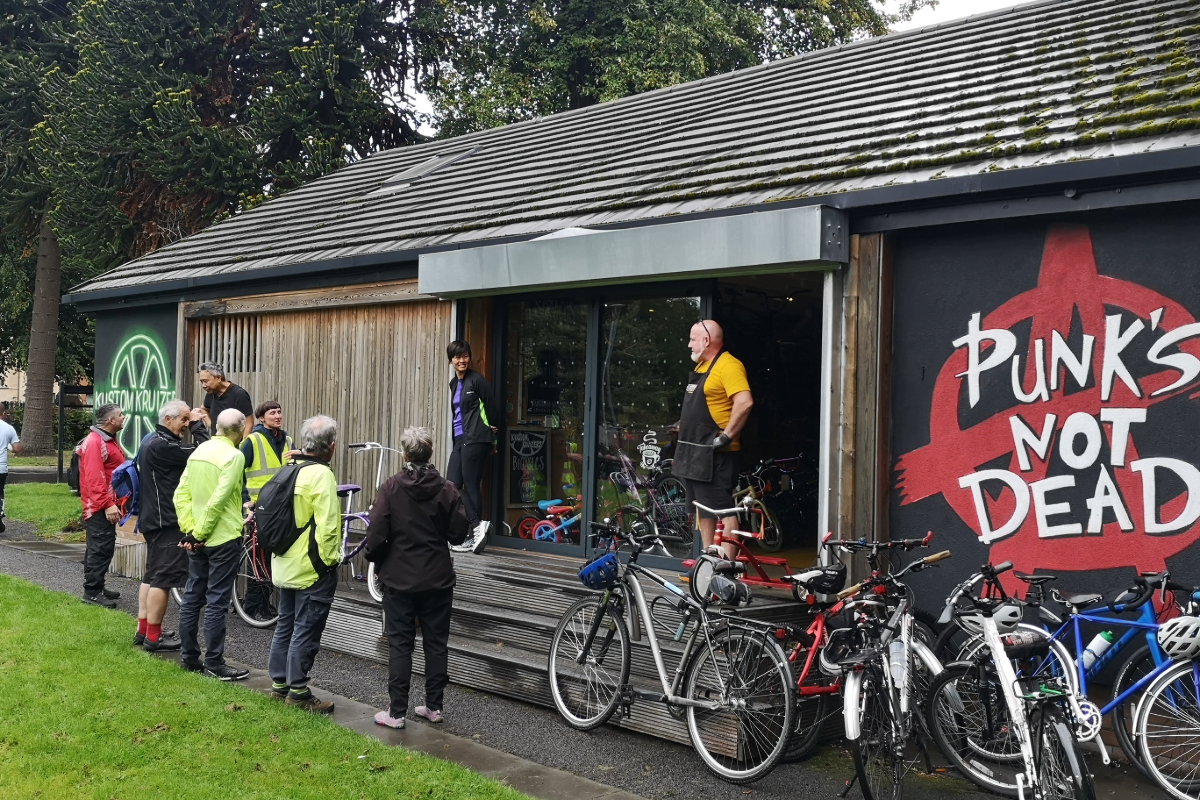
Re-use and repair

A wall mural of a circular economy

We found in general, we both attract similar customers, these can range from people purely looking for a bargain, to people on a tight budget to others who reuse for environmental reasons. We found we have a similar situation with kid’s books, these are made available free of charge to nurseries and schools as they run on very tight budgets. Moray also do discounts for local groups, this is a scheme we also run. At Moray they have a mixture of volunteers and paid staff, when they have a surplus in their income they look to employ to areas they need to grow, again this replicates what we do. Overall we found many similarities between the two sites and we are both at the same point where we need bigger premises. Moray have faced a challenge to find
a suitable premises to move to but have finally hit the jackpot with an asset transfer to a disused call centre building that is more than large enough, it also has a functioning café inside and car parking for 450. They hope to be up and running by Spring 2026 in the new building and will retain the current building to use as a warehouse.

Learning Outcomes

Insight into Business Operations:

-Observe how inventory is sourced, sorted, and priced. – Understand customer behaviour and what types of reused items are in demand. – See how marketing, display, and storytelling are used to attract eco-conscious shoppers.

Learn about Community Engagement and Social Value:

– Discover how reuse shops often support charitable goals or local employment. – Observe how businesses engage with volunteers, schools, and other groups. – Explore how social enterprises blend surplus with purpose, making positive change.

Discuss the plans for expansion:

– At what point was it clear that expansion was necessary? – Was there any community consultation? If so what did you do? – What if any hurdles have you faced so far?


"We are now looking at how we can change the layout of our sales area to allow people to explore the items more rather than for example coming in to look for a teapot, going to that section, getting one, paying and leaving. We also felt reassured that the way we work and the plans we have for our new build mean we are heading in the right direction and are in line with our peers."

Case Studies

MaCOLL visit to Orkney Skate Trust

Protecting marine life

A Baited Remote Underwater Video (BRUV)

We discussed habitat and skate behaviour and how sites are chosen for survey and the Navionics application used to identify potentially interesting sites. and were given first-hand experience of how the boat and equipment is managed, the methodology and process. MaCCOLL will adopt a lot of these learnings going forward. we spent a lot of time talking about data processes and there
are a few improvements we can put into place. For example, separating the recording of flapper skate data from other species. It was reassuring to note that the Skat Trust stores data on the national marine database using Sea Search as we are currently doing.

We discussed community engagement and how he uses the work at the Orkney Skate Trust (OST) to inform the community and the scientific community.OST has well designed and established website which has some great flapper skate video content including the film “Uncommon. They have a section where anybody who sees a flapper skate or egg case can record it and place a pin on a map. OST also use social media to update the community. OST have become one of the foremost experts on flapper skate through his citizen science work and often talk at events. They talk to creel fishermen and other charter boats to find out if they have seen or caught Flapper Skate primarily to find out the location so that he can drop their BRUV where flapper skate have been seen.
In summary, this was a really beneficial trip which will provide huge benefit to MaCCOLL’s flapper skate project.

Learning Outcomes

  • Increase knowledge on flapper skate and methods of research.
  • Increase knowledge on equipment used for citizen science marine research.
  • Increase knowledge in how to engage the wider community in research about flapper skate.

"The exchange was hugely beneficial and will really help MaCCOLL improve our skate project. We went out on a boat with a plan to carry out 6 six BRUV (Baited Remote Underwater Video) drops. The trip to demonstrate the equipment, methodology and process used by Orkney Skate Trust."

Case Studies

Banff, Macduff & District Men’s Shed

Specialist machinery for community projects

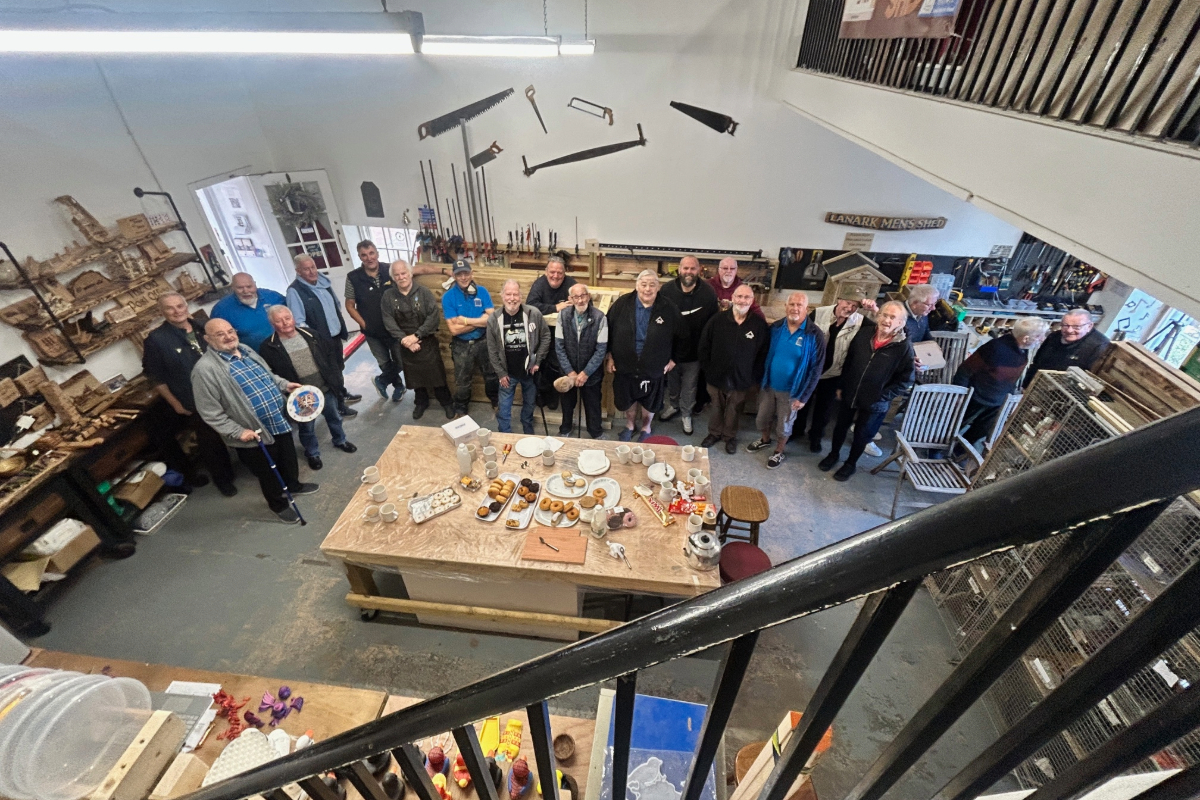
A group of people in a tool/ 3D printing workshop

We had a very enjoyable and informative trip. We had demonstrations of 3D Printing, Laser Engraving and CNC Routing. We were shown different uses of the machines and advised on suitable machines for our requirements. We were also shown products which had proven popular and were relatively easy for beginners. We were also advised of suitable locations and environments within our premises. We are now looking to identify suitable locations to site the machines and will then be purchasing machines for our Shed. The trip proved to be very beneficial and we are now looking forward to a new and rewarding activity for our Members.

Learning Outcomes

  • Demonstration of 3D Printers: Tuition of the 3D printing process and the safe operating procedures of the machines. Learning which machine will suit our needs, Things to consider when buying a machine and what we need to look for.
  • Demonstration of Laser Printers: Tuition of the laser printing process and safe operation of the machines. Learning which machine will suit our needs. Things to consider when buying a machine and what we need to look for.
  • Demonstration of a CNC router. Tuition of a CNC router and the safe operation of the machine. Learning which machine will suit our needs, Things to consider when buying a machine and what we need to look for.

"We were shown a variety of activities and products which can be achieved from the various pieces of equipment that was demonstrated, quite a lot of which we didn't know about and therefore hadn't considered. We definitely returned with a lot to think about and with added enthusiasm."

Case Studies

Torridon District Community Association

Developing robust feasibility studies and business plans.

Cromarty camping chemical waste disposal unit

We visited Cromarty Community Development Trust to learn about their community run campsite. We had a tour of the site and met with the development officer, board members, campsite warden and apprentice. Whilst at the site we learnt about regulations, planning, risk management and health and safety, including some valuable insights Cromarty Development Trust have gained in their first 18 months of running a campsite.

The development officer and board members were able to give us insight on the process of developing and setting up the campsite including how challenging the process was when it came to community engagement and buy in as the process went on. It was very helpful to learn this from a Community Development Trust who has been through the process quite recently and who could identify some of the pitfalls and things they would have done differently.

Cromarty are one of the few campsites open all year round and it was particularly useful to see the detail of their occupancy rates and financial information for the full 12 months of a year. Julie, the development worker for Cromarty Community Development Trust also produced a very comprehensive handout for us to take away.

Learning Outcomes

  • Participants will gain an understanding of the financial management of a community run campsite including potential grant funding, business planning, salary costs etc.
  • Participants will learn about the regulations, health and safety and risk management involved in running a campsite in Scotland.
  • Participants will learn about the process of setting up and running a community owned campsite, including strategies for community engagement with the project.

"The exchange allowed us to make valuable links with a Community Development Trust further along in the process of income generation. It was useful to hear their reflections on what they would have done differently and what new challenges they face as an organisation trying to provide benefit for the community whilst running a business aimed at tourists."

Case Studies

Dunvegan Community Trust exchange

Tool libraries- developing new projects and reviewing services

Tool library workshop
  • How do they manage their facilities in terms of health and safety, storage, and staffing (paid and voluntary)?
  • What challenges they have encountered and how they have overcome them?
  • How do they ensure the facilities are well used and create the best possible value to the communities they serve?

Learning Outcomes

We found out a lot about how the different organisations manage their facilities, about different ways of funding the services about the day to day processes and what staff and volunteers do to make the services work. We learnt the importance of enthusiastic and engaged volunteers – and to create this good relationship the importance of trust, good training and using volunteer input to shape the services. We very particularly wanted to know about storage and it was great to see that in person, to take lots of photographs and get specific ideas about how the tools should be stored for ease of accessibility. We got ideas about how to make the space adaptable, and were please to see that the size of the space would work for what we wanted to achieve.


"A significant takeaway from all of the visits was how useful it was to see the facilities in person and to talk to volunteers and staff face to face. This gave us a real insight into how things were run, the enthusiasm of everyone for the services offered and how great our proposals could be! It made the project seem much more real and much more achievable."

Case Studies

Toisgeal Exchange

Gaelic & Island Arts & Culture

A small group of people visiting a textile studio

We discussed our hosts projects, exhibitions, practices, challenges and ways in which they collaborate with each other and with other artists, local and beyond, including the Even Here, Even Now project currently linking creative practitioners in the Outer and Northern Isles. We were able to reflect on our own aims and ethos as a group and think about ways in which we can grow our
creative community in a way that gives a voice to place-based art and practitioners, a Gaelic-focused approach to creating, and ways of mapping a path forward to future initiatives. The time we were able to dedicate to this was invaluable and in an environment that supports local creative practitioners in a very positive way.

In terms of peer-peer learning we discussed ways we could bring a joint exhibition/workshop event together and take it on the road around local village halls to engage different communities- we have started making a plan for a funding application to enable us to do so. We also identified details for a joint exhibition theme and highlighted threads to pick up for research and investigation, which we will take forward during monthly meet-ups.

Learning Outcomes

  • As our primary interest is in Gaelic/island arts and culture it would be incredibly useful to see how this has been developed and is managed in Lewis. We wish to visit and learn from groups of similarly-engaged artists who live within a similar island community facing comparable geographical and cultural challenges.
  • We have identified this visit as an opportunity to engage in peer-peer learning opportunities/skill-sharing. This will be a focused, informal environment and a supportive, effective way to encourage, strengthen and develop our creative practice.
  • We endeavour that this visit would be the start of an island-island exchange of practice and place-based learning as well as an opportunity to connect with fellow island artists and art centres/organisations on the island.

"We've learned about the variety and vitality of place-based art practices on our neighbouring island which has motivated us to seek more time to spend time collaboratively, and have been inspired to identify funding streams we may apply to to allow us to support art in different ways within our communities."

Case Studies

Cross sector learning exchange

Action planning anti racism

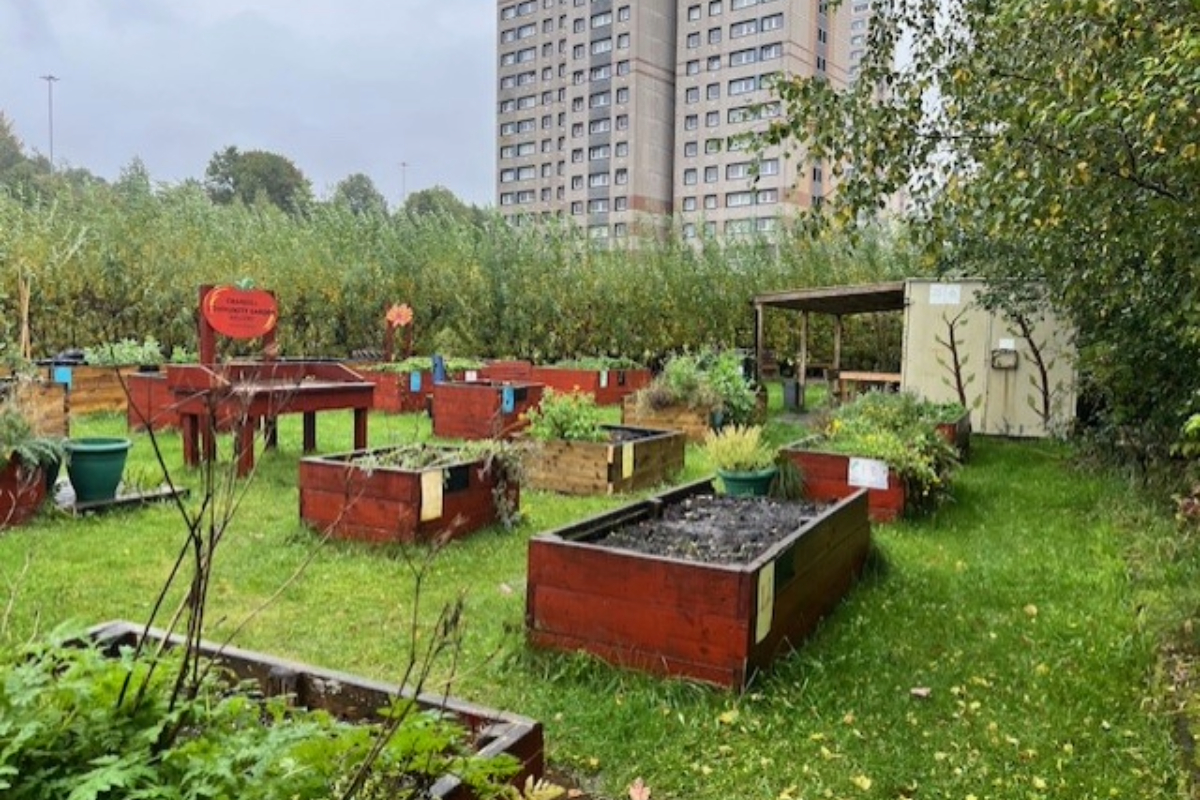
Woodlands Development Trust urban community garden.

The exchange focused on the Woodlands Community Development Trust’s anti-racism programme, and how community and volunteers have been key to its development. Everyone was provided with examples of how to approach community engagement activities and events in order to grow their network of engaged individuals. This helped identify actionable steps organisations could take towards making anti-racism a priority across programmes and organisational structures. Woodland’s anti-racism action plan added detail to the work they have done as a guide to action area themes.  There was space to discuss challenges that may arise when taking forward this work, and workshop solutions. Together, we carried out a strengths, opportunities, challenges and threats analysis of our own organisational anti-racism work which highlighted a shared commitment to challenging racism through working in partnership with communities. Funding short-termism  and structural inequality across national and local policy often present barriers to lasting change.

Learning Outcomes

  • Deliver a network-wide exchange programme which appeals to community organisations with a shared common interest.
  •  Identify knowledge gaps and transform them into cross-sector learning opportunities.
  • Provide individuals with transferable knowledge/skills specific to their role and improve overall role performance.

"Any work in this field takes time, everyone's involvement and commitment. There is a lot that can be learned from an intermediary perspective on what is being done on the ground locally- we need space to have open conversations to embed proactive steps."

Case Studies

Community Woodland Association member visit to Kilsture woodlands

Using biodiversity recording tools to protect forest ecology.

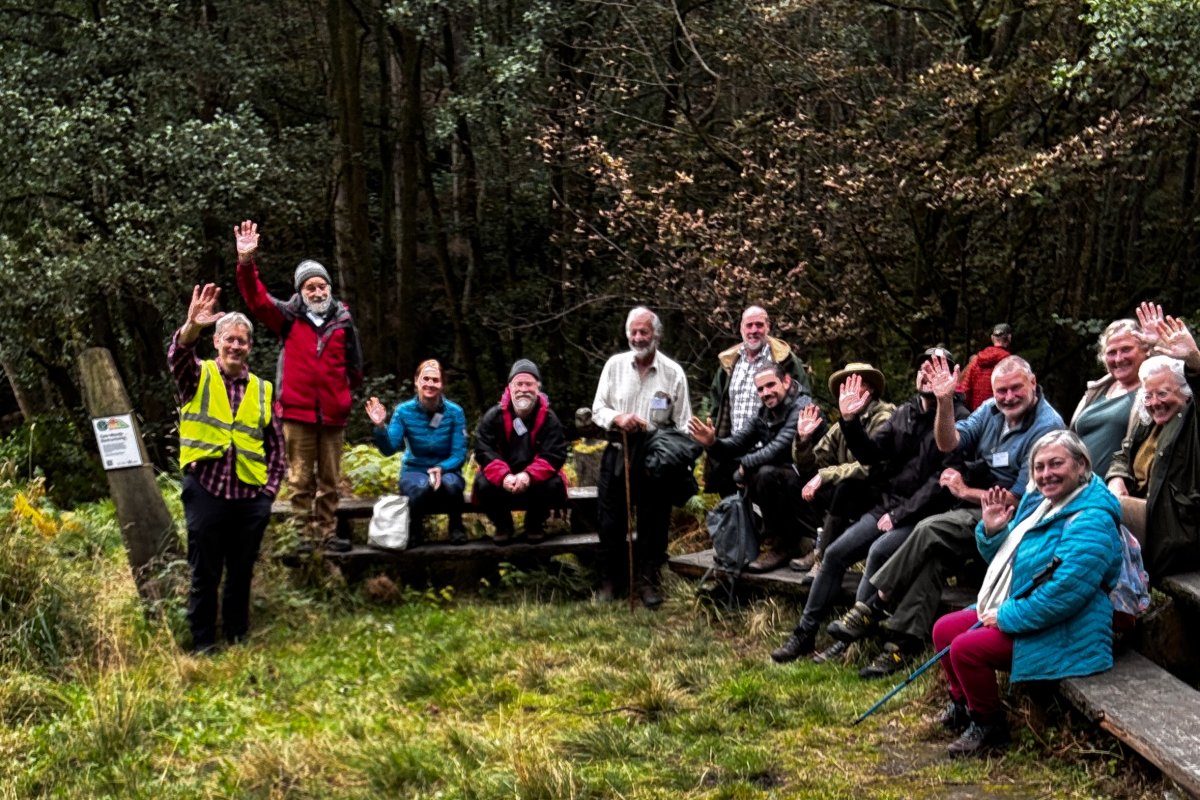
Community woodland group standing talking in Kilsture woodland

Our visit helped us understand a lot about biodiversity. The people at Kilsture are passionate about their forest and it inspired us to try and introduce more biodiversity into what our own group does. It was really interesting talking to people from other woodland groups  – with a focus on biodiversity . We found the sessions on iNaturalist app and woodland assessment interesting and useful. The usefulness of the iNaturalist app is worth exploring and we have now started using the app on the sites we work on to start recording what’s seen on site.

Learning Outcomes

  • How KFCG works with FLS to represent community interests.
  • How we use Citizen Science to build our understanding of forest ecology.
  • How we’re planning for the future of the woodland.

"I hope to have persuaded my group to construct a pond, or to have created a bit of wetland - incorporating lessons learnt into our citizen science - I would like to think we have a better understanding of the health of our woodland by adopting a system such as the WCA being used at Kilsture Forest - I'd like to see CCW doing some of the ID and recording work through our Rural Skills Centre - A year from now, it would be good to go back in a year and see the progress the community are making."

Case Studies

Biggar Community Market Garden visit to Sustainable Kirriemuir

Community food growing

Image of a yellow courgette flower

The Sustainable Kirriemuir team is managing their growing and greenspace, leading to development of ideas on how we can facilitate activities in our own local primary settings.  Emphasis was on primary school reach and how this can be leveraged to gain wider community engagement with BCMG through school newsletters and events. Sustainable Kirriemuir  focused on how volunteer recruitment and retention is successful where they invite their community to come to them with ideas which Sustainable Kirriemuir can support.  By diversifying their activities, they have embedded the organisation through a range of focuses, from health and foraging walks to large scale community events for families.  Going forward the Biggar Community Market Garden team are keen to think of how we can take similar approaches in our area so that we are responding to the needs and interests of community members to invest their time and passion into wider climate resilience goals.

Learning Outcomes

  • Gaining insights into funding and support mechanisms – community, local authority and national – utilised by each organisation.
  • Understanding the range of approaches of both organisations to volunteer recruitment and retention and extent of impact.
  • Understanding the range of approaches to engagement with nurseries, primary and secondary schools and wider community in each setting, including community engagement opportunities and the extent of impact of these approaches.

" Sharing our educational resources and experiences that can be adapted to our setting to support our learning programmes and community engagement opportunities has helped inform our approaches to nurturing good relationships with volunteers that can be implemented in our setting to support retention and recruitment. We have a better understanding of strategies for building positive and sustained relationships with local businesses, local authority and national funders which will result in financial, logistical and organisational support."