Case Studies

Community Land Scotland member exchange

Navigating long-term engagement, transparent governance, and generational renewal in practice.

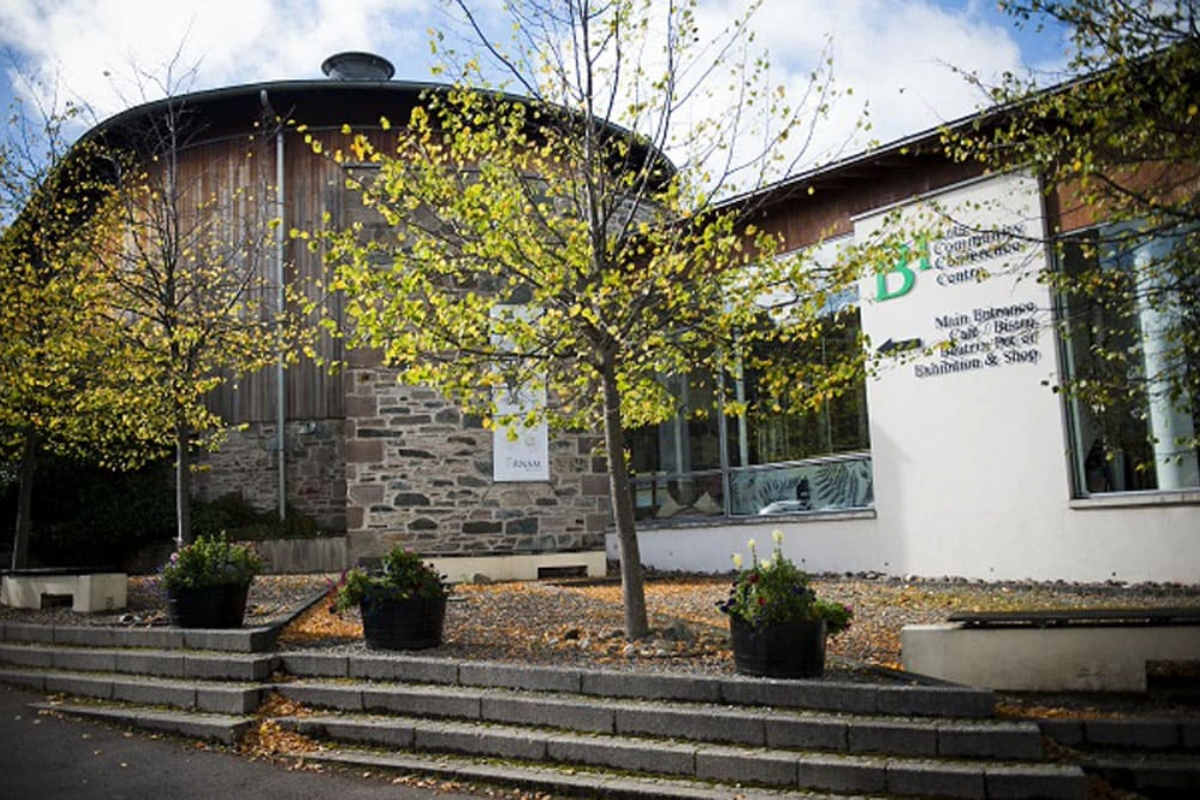
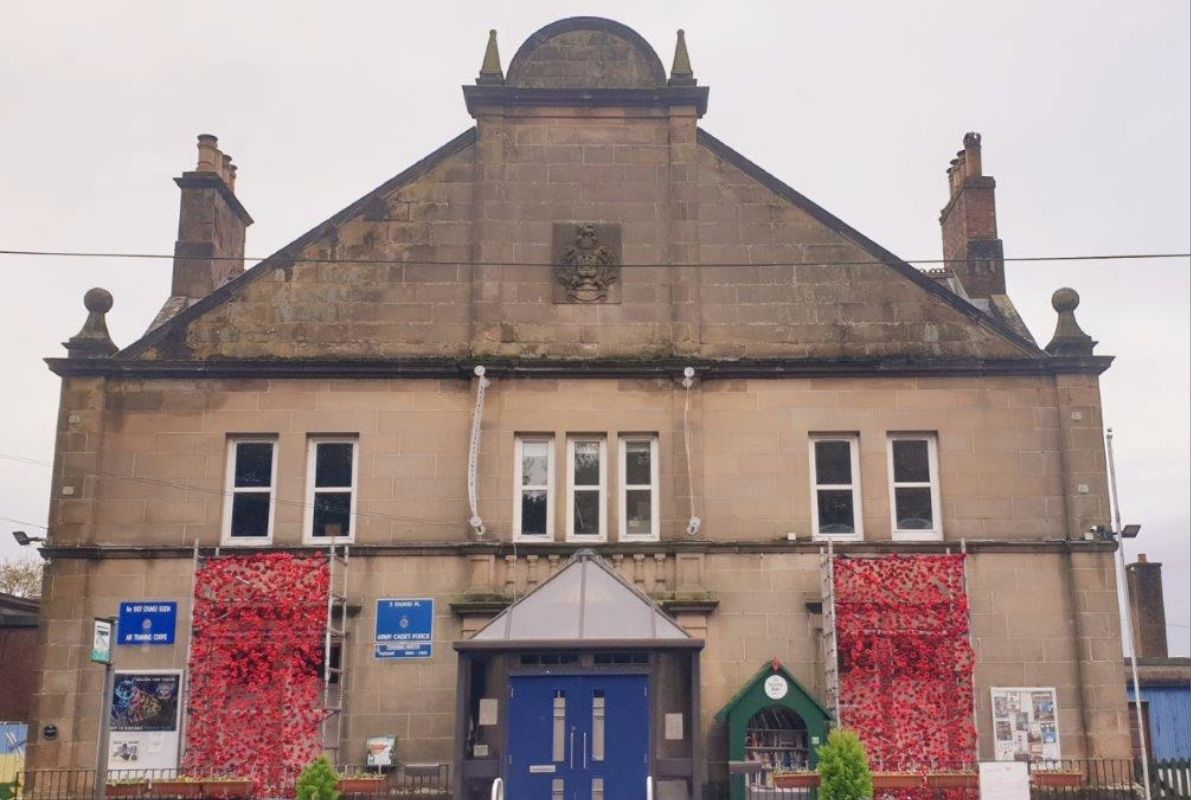
A group visiting a community owned building in Kinlochleven

This Gathering was the third in our series of regional residential exchanges. While the CLE funding formed part of the overall event budget, it was particularly important in enabling the study visit hosting and covering most delegate travel costs. This was critical to ensuring that groups from across Argyll and Lochaber, the Inner Isles, and surrounding areas were able to participate fully. As with earlier events, funding directly enabled the mix of study visit, structured discussion, and informal network-building that defined the experience.

Peer discussion remained central to the programme’s impact. Across formal sessions and informal conversations, delegates explored shared challenges in governance, board capacity, relationships between staff and trustees, and long‑term organisational sustainability. Several participants noted that hearing from other trusts at different stages of maturity exposed them to new approaches to leadership, joint working, and organisational development. The open, honest nature of discussion was widely valued.

The study visit to Kinlochleven CDT produced especially meaningful learning. Delegates emphasised how helpful it was to hear directly from the Trust about long‑term land, housing, and organisational challenges, and to experience these issues in their local context.

Learning Outcomes

  • Delegates will deepen their understanding of effective, ongoing community engagement, drawing on practical examples from the study visit and peer discussion, and identify approaches they can adapt within their own organisations.
  • Delegates will strengthen their thinking and planning around succession, including how to encourage new people into leadership roles, support volunteer development, and build long-term organisational resilience.
  • Delegates will build meaningful peer connections with other community groups, with dedicated time together -including shared travel – helping to form relationships that support continued learning, collaboration, and problem-solving beyond the event.

"The peer support offered through this exchange has strengthened our regional connections. The reassurance you receive of discovering common ground with other trusts is invaluable."

Case Studies

Community Land Scotland member exchange

Strengthening ongoing community engagement and succession planning

A group of people standing on a country road in Assynt with hills and mountains behind them.

This event was the second in our series of residential Gatherings. While the CLE funding formed part of the overall event budget, it was particularly important in enabling the study visit hosting and covering most delegate travel costs. The study visit to Assynt Development Trust in Lochinver acted as the central anchor for the two-day programme.

Delegates consistently highlighted the value of visiting Assynt Development Trust projects in action, including housing, enterprise activity and environmental initiatives. Seeing completed and evolving projects provided tangible examples of long-term community engagement and resilience.

Participants reflected on shared challenges in volunteer capacity, leadership transition, and engaging younger generations. Hearing from groups across the Highlands and Islands helped normalise these challenges while surfacing practical responses.

The study visit provided concrete insight into how communities overcome practical barriers, including long development timescales, funding complexity, and governance pressures. Seeing projects such as housing developments, environmental initiatives and enterprise activity operating in challenging circumstances helped translate abstract policy discussions into real-world application.

Learning Outcomes

  • Delegates will deepen their understanding of effective, ongoing community engagement, drawing on practical examples from the study visit and peer discussion, and identify approaches they can adapt within their own organisations.
  • Delegates will strengthen their thinking and planning around succession, including how to encourage new people into leadership roles, support volunteer development, and build long-term organisational resilience.
  • Delegates will build meaningful peer connections with other community groups, with dedicated time together — including shared travel — helping to form relationships that support continued learning, collaboration, and problem-solving beyond the event.

"The exchanges helped surface broader sector reflections- such as environmental sustainability, estate-scale engagement, crofting land management, and the implications of emerging land legislation. We noted the value of connecting with people we had previously only known remotely, which strengthened our existing professional relationships."

Case Studies

Greener Duns visit to Stow Community Trust

Gaining understanding of how to develop larger scale projects

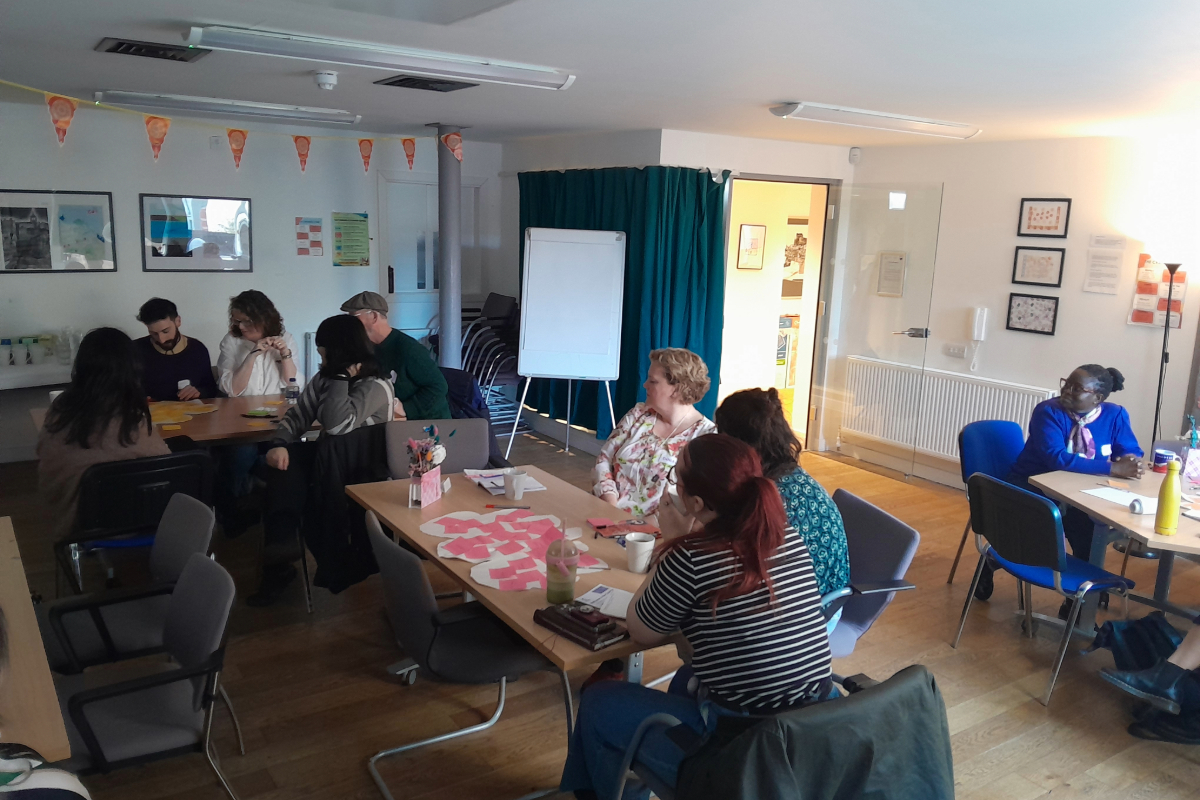
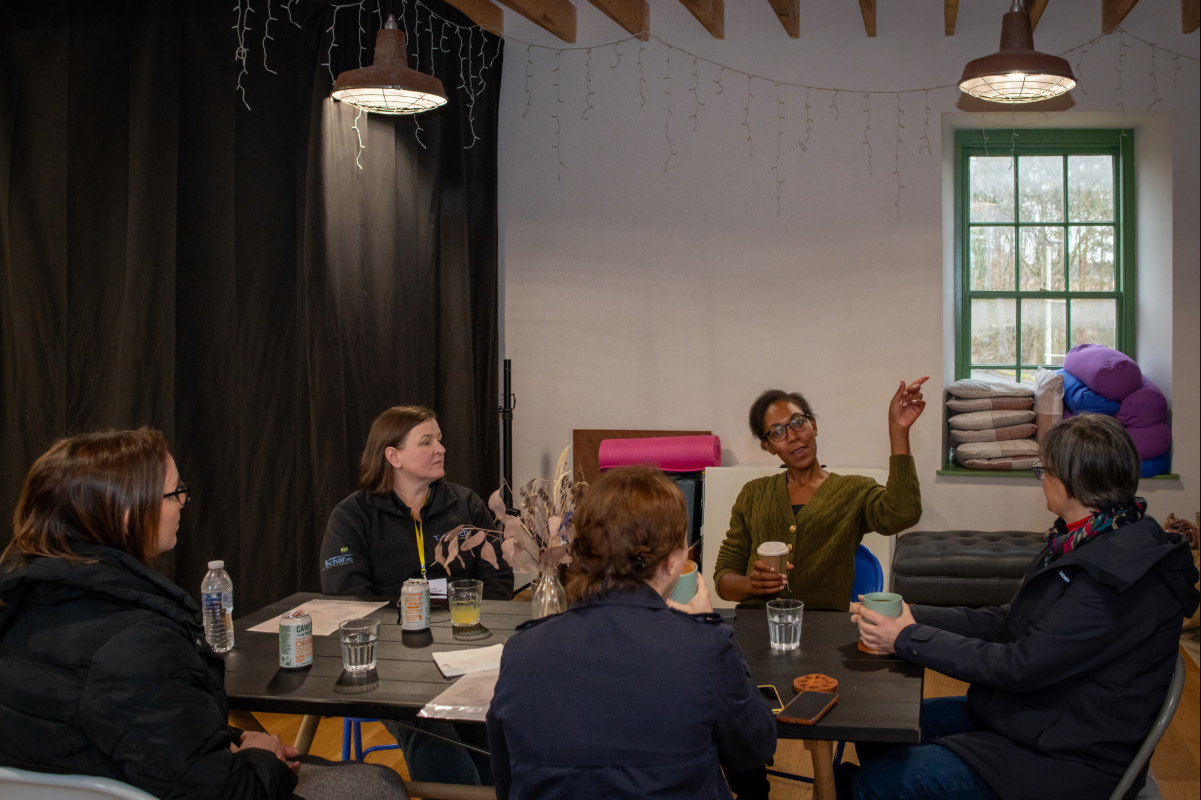
A group of 9 people sitting round a table in discussion

We discussed the cycle hub & pump track in Stow which is proving to be very popular, attracting people from Stow & the wider area. We compared the different aspects of our communities & considered our options to develop similar schemes in Duns. The lead at Stow Disrupters gave a very thorough talk about how the local schools are involved in environmental projects on a weekly basis which is something we are taking back to our contacts at Duns Primary School. The learning exchange benefited all participants by building solid relationships that will enable future dialogue.

Learning Outcomes

  • There are a number of empty properties in Duns which are of interest to several community led organisations in the town. We want to gain an understanding of what would be required to take ownership of an empty building and turn it into a sustainable community asset by learning about the Stow Station Building project.
  • The Duns & District Local Place Plan indicated a desire from the community for an e-bile scheme. We are keen to learn how such a scheme works in Stow to see if it might be possible for Greener Duns to take the lead on developing a scheme in Duns.
  • We are currently working with Duns Primary School on a number of small projects and would like to find out more about the relationship between Stow Community Trust and Stow Primary School through the Stow Disrupters project.

"Since arranging our visit to Stow there have been discussions about the use & Community Asset Transfers of a number of council owned buildings in Duns. Stow Community Trust shared their experiences of acquiring the old station building for use as a community asset which has been very difficult. With this background it seems the decision to acquire a dedicated building for Greener Duns is premature at this time."

Case Studies

9CC Group visit – Coalfields Regeneration Trust

Community Wealth Building in former coalfield communities

An image of a front page report showing a business unit and text reading 'Building Community Wealth in East Ayreshire

The 9CC Group are looking seriously at financing the new-build of Industrial units located on vacant brownfield sites within our former coalfield communities of the Cumnock & Doon Valley.

The learning exchange allowed us to explore justification of NEED and Evidence of DEMAND required prior to the 9CC Group progressing with any investment into the new-build of industrial units. The building of Business units on former Coalfield sites seems to be a very successful model particularly when multiple partners and multiple funding streams are available and accessible.
Bothy the 9CCG and Coalfields Regeneration Trust have agreed to pursue this partnership approach and will submit a funding bid to UK Government’s Local Growth Fund for financial assistance towards this project. The 9CCG will seek approval from our Board to direct funds from our Strategic Area Fund into this project also.

2. The 9CC Group learned what Economic and Social values would be increased.
Inward Investment would be £4M+
Regenerate a former vacant brownfield site X 1
39,000 Sq Feet to be re-used

3. What types of Business Start-ups will be using this facility
Preferential rates will be offered to Young People residing in our former coalfield communities for business start up premises

Learning Outcomes

1. Justification of NEED and Evidence of DEMAND would all be required prior to the 9CC Group progressing with any investment into the new-build of industrial units
–  Is this major project affordable
– The strength of any potential; partnership with CRT

2. The 9CC Group need to know what Economic and Social values would be increased.
– how many jobs created / supported
– how many acres of vacant brownfield land to be re-used and regenerate
– how much inward investment this will bring
– investing in brownfield site making PLACE more attractive
– Can we support more Young People into jobs

3. What types of Business Start-ups will be using this facility
– Can we encourage more social enterprises
– Can we encourage and support more women to start up their own enterprises
– Can we support more Young People to start up their own enterprises


"As a result of the exchange, we now have a proactive agreement in place to proceed with this project. CRT management staff will present at the next 9CC Board meeting to submit a joint funding application to the Local growth Fund, further site visits on location for new-builds in East Ayrshire and agree terms of reference for our Partnership Agreement."

Case Studies

Greener Kirkcaldy visit to EATS Rosyth

Strengthening understanding and collaboration

A group of 9 people smiling and waving to the camera behind planter boxes and a sign for 'The Livingroom' cafe

EATS Rosyth’s spaces feel very community-led, particularly their growing spaces, with some key volunteers feeling ownership almost as much as the staff. We would like to work towards this at GK, so it was interesting to hear their reflections on the time and circumstances needed for this to happen. We at GK are very consultative with our community but perhaps take their ideas and run with them more than supporting community members to develop the ideas themselves, which might mean they retain more ownership. EATS also work with schools and young children a lot more, meaning the community members they engage come from a broader spectrum, which means they continue to develop projects in a different way to us despite having similar aims and spaces.

Learning Outcomes

  • Explore how EATS Rosyth have developed successful food social enterprise activities.
  • Learn from EATS Rosyth’s approaches to delivering a variety of food and growing funded projects, including how they support and manage the volunteer teams vital for success.
  • Improve our understanding of how a peer project ensures they continue to be community led – how they engage with their local community and develop in response to their needs.

"It was interesting to compare the benefits and challenges of relying on volunteer 'manpower' for delivery between our two organisations, and the staff and systems they have in place for volunteer development and support. It was also really good to see their growing spaces, which are in some ways similar to our own, but more volunteer-led than ours. All our management team now have a better understanding of EATS Rosyth, who have become a key partner of ours for more collaborative opportunities."

Case Studies

Community Land Scotland member exchange

Navigating long-term engagement, transparent governance and generational renewal in practice.

Two people standing in front of a white 4x4 ranger with the Tarras Valley nature reserve surrounding them

The study visit to Langholm Initiative and Tarras Valley Nature Reserve provided a powerful and practical demonstration of long-term, inclusive community engagement in action. Seeing the site in use, hearing directly from those involved, and discussing engagement challenges and approaches with peers helped delegates critically reflect on their own practice. Many participants highlighted specific insights they planned to take forward, including approaches to youth engagement, the value of diverse engagement methods, and accepting the “messiness” and long timescales inherent in community-led development. Several delegates described leaving feeling re-energised and more confident in the value of sustained engagement work.

Succession was explored through both structured discussion and informal peer exchange, with delegates valuing the opportunity to learn from organisations at different stages of development. Feedback highlights increased confidence and clarity around encouraging new people into leadership roles, supporting volunteer development, and finding practical ways to include younger voices in governance. Peer discussion helped normalise shared challenges around capacity and leadership transition, while also surfacing adaptable ideas that delegates intend to take forward within their own organisations.

The exchange was particularly effective in building meaningful peer relationships. Delegates consistently highlighted the value of connecting with others facing similar challenges in what can often feel like an isolated sector

Learning Outcomes

  • Deepen understanding of effective, ongoing community engagement, drawing on practical examples from the study visit and peer discussion, and identify approaches they can adapt within their own organisations.
  • Strengthen thinking and planning around succession, including how to encourage new people into leadership roles, support volunteer development, and build long-term organisational resilience.
  • Build meaningful peer connections with other community groups, with dedicated time together -including shared travel – helping to form relationships that support continued learning, collaboration, and problem-solving beyond the exchange.

" The exchange strengthened regional connections. We experienced the value of understanding what else is happening locally and identifying opportunities for future collaboration, mutual support, and learning visits. These emerging connections represent a longer-term benefit of the exchange, supporting continued learning and resilience across the network."

Case Studies

Connected Hubs exchange

Building a Connected Hubs network for resilient community spaces

7 people standing together smiling beside a community hub with tress behind them

From the outset, our intention was to strengthen peer learning and deepen shared understanding across hubs, and this came through clearly in how people engaged. Through structured sessions and informal time together, we learned how different hubs really operate day to day. Not just how their models look on paper, but how they balance competing demands, respond to local pressures and adapt to the realities of their place.

Conversations around sustainable hub operations were particularly rich. Operational pressures quickly surfaced as a shared challenge, with open discussion about staffing, front-of-house hosting, systems, infrastructure and capacity. We explored the ongoing tension between development time and delivery time, the importance of keeping digital systems simple and affordable, and the reality that staff wellbeing and retention are fundamental to long-term sustainability. These were not abstract conversations, but practical ones, grounded in experience and shaped by comparison, problem-solving and peer-tested insight that people could take back into their own contexts.

It strengthened peer learning, built practical operational knowledge, deepened our understanding of membership and community, and laid the foundations for ongoing collaboration. In doing so, it created value not only for the hubs and leaders involved, but for the communities we serve and the wider ecosystem we are all part of.

Learning Outcomes

  • Practical Toolkit on Rural Hub Operations: Participants will co-create a toolkit with practical guidance on remote working, community engagement and staff wellbeing in resource-scarce contexts.
  • Shared Digital Case Study: A co-produced narrative and visual case study from the Dundreggan visit will document learning on regenerative practice, community leadership and resilience.
  • Formation of a Micro-Collaboration Group: 3–4 hubs will commit to exploring joint projects around climate, nature or rural innovation, extending the exchange into long-term peer support and experimentation.

“I have been on the verge of packing it all in for a year, as running a space isn’t stacking up in this climate. However, meeting others in similar positions, who share an understanding of the technical challenges and motivations behind running co-work and collaboration spaces in communities has helped. I know we have a long way to go with the network, but feeling I might make it until next year’s meeting now.”

Case Studies

Health & Wellbeing group exchange visit to Cranhill Development Trust

Using health & wellbeing as guiding approached for community engagement and staff welfare

A group of people standing outside on a public walkway with a kids park and 3 high rise blocks in the distance.

This exchange provided us with the opportunity to learn how to use effective community engagement to build a service offer for your community that is health and wellbeing centred. The exchange also had an internal focus, looking at how staff welfare is reflected in the organisation’s values and strategy. The exchange widened participants’ knowledge on participatory engagement and placemaking principles and helped kickstart ideas of how to develop this within their communities.

Learning Outcomes

  • Explore how designing effective participatory engagement can build trust, inclusivity and drive community-led action to shape health and wellbeing service design and outcomes.
  • Gain a deeper understanding of placemaking and place-based principles to ensure communities have a stronger role in and control over their social, economic and cultural wellbeing.
  • Learn about how our engagement with staff welfare has shaped our organisation’s values and strategy.

"The section on staff welfare was very helpful, we have now looked to implement some of the suggestions within our organisation to improve staff wellbeing and create a robust, resilient staffing cohort."

Case Studies

Castlemilk Wellbeing Hub visit to Moray Wellbeing Hub

Blending community empowerment, wellbeing and partnerships through social enterprise models.

An outbuilding decorated in colourful graffiti

This learning has been especially helpful in informing our thinking at Castlemilk Well-being Hub CIC around developing a community-led learning model that is flexible, responsive and rooted in local need, while still being robust enough to grow and endure. The exchange created space to explore how Moray Wellbeing Hub successfully blends social enterprise with community empowerment. We learned how wellbeing-focused training can generate income without compromising accessibility or values, and how pricing, partnerships and delivery methods can be adapted to meet different community needs. Through structured conversations, observation and informal knowledge-sharing, we gained valuable insight into how their model is built, funded and delivered in partnership with local organisations. Hearing directly about what has worked well, what has evolved over time, and the challenges they have navigated gave us a realistic and grounded understanding of sustainability in practice

Learning Outcomes

  • Understanding sustainable wellbeing learning models: Gain a clear understanding of how Moray Wellbeing Hub has developed and sustained its Wellness College model, including structure, funding approaches, and partnerships, to inform the development of a similar community-led learning model at Castlemilk Well-being Hub CIC.
  • Strengthening community-led training and income generation Explore practical ways to create a wellbeing-focused training arm that generates income while remaining accessible and responsive to community needs, drawing on Moray’s experience of blending social enterprise with community empowerment.
  • Building collaboration and shared learning networks: Develop stronger links between community wellbeing organisations across Scotland to share best practice, encourage peer learning, and co-produce approaches that enhance resilience, wellbeing, and capacity within local communities.

"The exchange strengthened our understanding of place-based wellbeing. Experiencing Moray through the Mental Wealth Safari highlighted how geography, environment, identity and community history shape mental health and resilience. This has deepened our appreciation of the role of place in wellbeing work and will inform how we design activities that are rooted in the lived experience of our own community. Overall, the learning exchange fully delivered on its intended outcomes, providing practical learning, strengthened partnerships and renewed inspiration. It has left us better equipped, better connected, and energised to apply what we have learned within our own community, with a few new ideas in our backpack and a strong sense that we’re not doing this work alone."

Case Studies

Greener Kirkcaldy visit to Granton Community Gardeners

Practical solutions to barriers in community-led food initiatives

A group of people smiling while digging and stomping down earth from planting

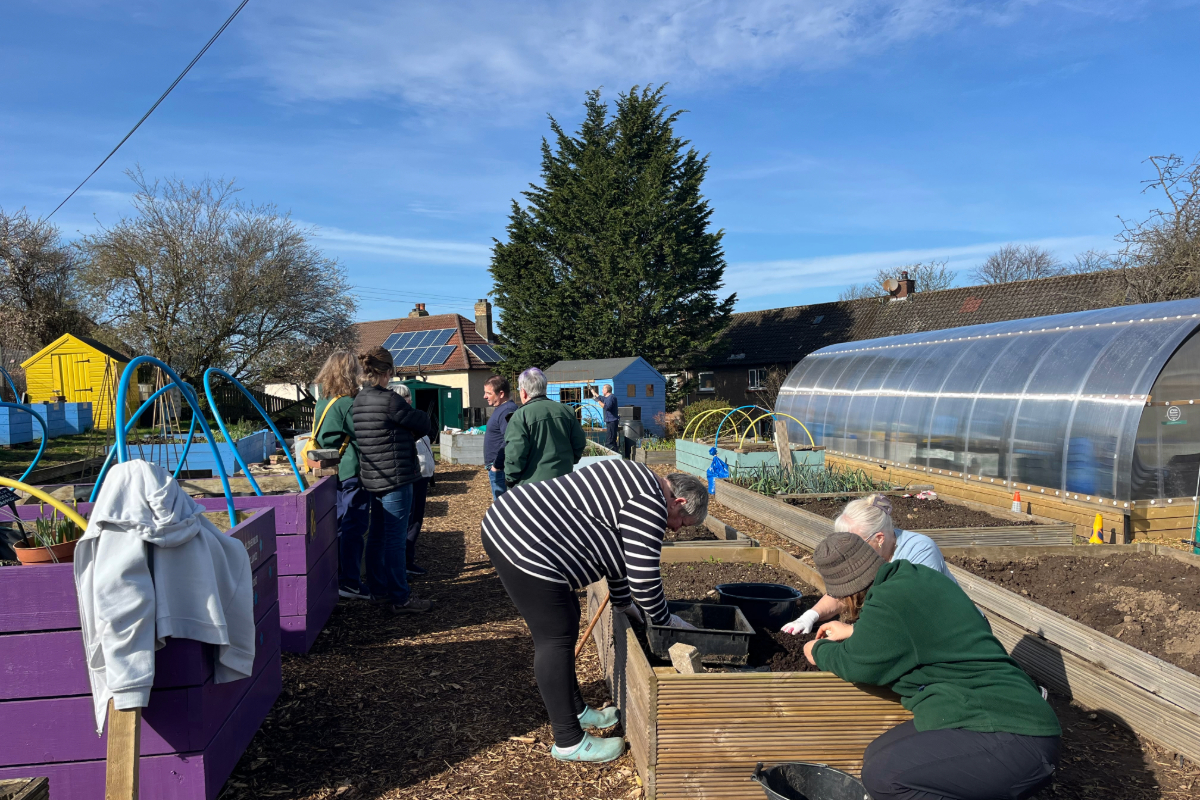
The community meal brought people from diverse backgrounds together, with volunteers involved in every stage, sowing seeds, preparing food, and sharing the meal. This model helped us to see how shared activity and social connection can be embedded in volunteer roles rather than treated as separate elements.

Through open conversations with staff and volunteers, we learned that independence and responsibility are built into their approach, that volunteers manage their own plots, and that they are empowered to shape activities. The team described how the project evolved organically, with participants moving between roles in gardening, cooking, and the bakery. This offered practical examples of progression routes that sustain engagement and build confidence, as well as transferable skills linked to employability and further education.

Their community-owned land and bakery provided inspiring models for asset transfer and income generation. We also noted small but effective operational details: visual posters rather than reliance on digital communication; integrated scheduling so cooking sessions overlap with gardening; and an emphasis on inclusivity, people of all ages and backgrounds contributing in visible ways.

Learning Outcomes

  • Learning new approaches to volunteer engagement across growing and cooking activities.
  • Exploring how to nurture volunteer strengths and sustain the participation of volunteers with a view to further education or employability.
  • Understanding and sharing practical solutions to barriers when delivering community-led food initiatives.

"We saw clear examples of volunteering as a pathway into further education and employment. One woman we met shared her inspiring story of progression, from being referred to the organisation to attend wellbeing groups, to discovering her skills in cooking and her ability to speak three languages. She began volunteering informally, supporting others in the kitchen and translating for newly arrived women in the area. Over time, she took on more responsibility, becoming a formal volunteer before eventually being employed by both the community bakery and the women’s cooking club, a collaboration between two local organisations. Her journey illustrated how confidence, skills, and employability can develop naturally when volunteers are supported to recognise and build on their strengths."