Case Studies

Community Woodlands Association member visit to Dronely Community Woodland

Woodland Infrastructure

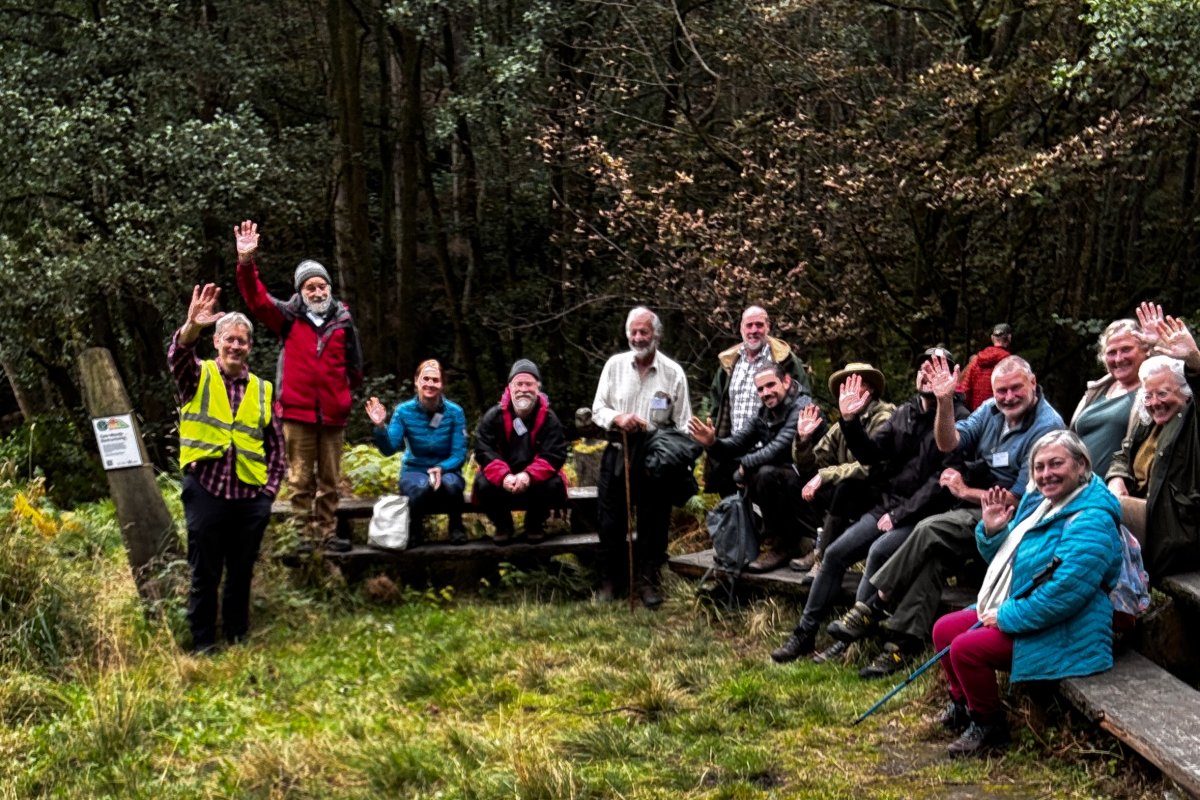
A group of people standing in woodland looking up at the canopy.

This exchange allowed our members to learn all about Continuous Cover Forestry, in situ at Dronley Community Woodland who shared how the woodland is managed in line with Continuous Cover Forestry principles. Dronley Community Woodland has a size of 50 ha and is located approximately 8 miles outside Dundee. Dronley Wood became Community Woodland in 2019 via a very successful Community Asset Transfer Fund (CATS). A feasibility study has shown that Dronley Wood attracts more than 20000 woodland visits per year.

We learned how continuous cover forestry maintains and helps to sequester carbon in the environment and ways in which woodlands can be managed to make them more resilient to climate change.

Effects of wind damage – the need to plan for one stand of trees, thinking that if that gets affected by wind it will have effect on neighbouring trees – the need to plan now for new species that will adapt better to climate change. The importance of having locally trained and insured people to do regular work with chainsaws rather than relying on contractors.
Confirmation that producing a working woodland is achievable, given application of knowledge and management skills.

Learning Outcomes

  • Woodland Infrastructure – the Key to Continuous Cover Forestry
  • Site-Adaptation of Tree Species and Climate Change with Regenerating and Restructuring Stands of Scots Pine, Sitka Spruce and Norway Spruce.
  • Assessing the Carbon Storage of Existing Stands and Woodland Soil (a recent research project by Pourang Mozafari from Abertay University) as Potential for Environmental Service Charges

"This exchange provided us with invaluable knowledge on management of woodland infrastructure. such as the importance of consciously using groups of trees to protect other trees from storm damage, the perils of soil compaction and installing Jay boxes! No less important was the ‘side-chat’ with and amongst CWA members, finding out about their individual woodlands aspirations and challenges. A great day - thank you all for making it so enjoyable!"

Case Studies

Radio City Association visit to Point & Sandwick Trust

Catalyst for deeper collaboration, mutual support, and shared ambitions for energy justice!

A group standing in front of Point & Sandwick Trust

One of the most illuminating aspects of the exchange was the realisation of just how many of the challenges and opportunities are shared across geographical boundaries. Both organisations had grappled with similar issues in the development and ongoing management of community energy projects. This mutual understanding created a strong foundation for meaningful discussion, learning, and idea generation. Through open and honest dialogue, both groups were able to deepen their understanding of the complexities and practicalities involved in establishing and maintaining community-led energy initiatives. This included detailed conversations around planning processes, funding models, community engagement, and long-term sustainability.

For the Radio City Association in particular, the visit was instrumental in shaping the future direction of its reinvestment strategy. Exposure to the initiatives run by Point and Sandwick Trust provided invaluable insight into how community reinvestment can be more strategically aligned with existing strengths and opportunities. Projects such as Point FC and the Gharabost Mill served as powerful examples of how to build upon existing community assets to drive social and economic benefit. These examples provided both inspiration and practical knowledge that will help guide the development of similar initiatives in other communities. A key learning point was the structure and operation of charitable models used by Point and Sandwick Trust.

Understanding how they distribute reinvestment income in a co-produced and equitable way was particularly useful. This inclusive approach ensures that the benefits of community energy projects are shared fairly and transparently, and the process itself fosters greater community trust and involvement. This insight will influence how reinvestment income is managed and distributed going forward, with an emphasis on co production and democratic decision-making.

In addition, the visit offered critical lessons in strategies to reduce fuel poverty. The work of the Energy Support Unit was particularly informative, offering effective models for delivering energy advice and support to vulnerable households. Learning about the practicalities of setting up such services and the kinds of partnerships needed to make them successful was especially helpful.

The exchange also provided detailed knowledge on the ongoing operation of community-owned wind turbines. Discussions covered a wide range of issues including financing, maintenance, operational logistics, and the importance of long-term planning. This operational insight, drawn from real-world experience, is difficult to obtain elsewhere and will prove crucial as other communities seek to replicate similar models.

Learning Outcomes

  • Learning about ongoing operation of community owned wind turbines including potential issues around financing, maintenance, and other operational issues etc.
  • Share knowledge around reinvestment strategy and including how to best develop co-production within the strategy and discuss examples of what projects have been effective in areas that both locality areas, although radically different in many ways share similarities such as population decline and high rates of fuel poverty to find out what projects have worked well.
  • Learn about what charitable structures and how best to distribute reinvestment income in a co-produced way have worked for P&S

"One of the most significant outcomes of the visit was the realisation of just how aligned both organisations are in their approaches to addressing key challenges such as fuel poverty, reinvestment strategies, and the practicalities of managing community-owned energy assets. These commonalities have created an environment of trust and mutual respect, and both groups have expressed a desire to build on this connection by working together on future projects and influencing national policy. In particular, there is great potential for joint efforts in shaping the upcoming GB energy legislation and contributing meaningfully to the associated community benefits consultations. Both organisations are well placed to advocate for stronger recognition of the role that community-led energy can play in the national energy landscape. By pooling our expertise and real-world experience, we can offer valuable insights to policymakers on what is needed to make the community energy sector more accessible, resilient, and impactful for local people."

Case Studies

Community Association of Lochs and Sounds (CAOLAS) Seawilding exchange in Loch Craignish

Supporting successful restoration and community engagement

An Oyster shell

This visit provided opportunities to learn from Seawilding who are very experienced and have encountered great success in oyster restoration. We learnt about the best methods used to collect spat, which is something we have not yet done in our project. This has been crucial to develop our own methodology for spat collection during summer. We learnt more about their methods of community outreach and engagement by visiting their own education station situated by the loch. Here, we explored the materials they use for community outreach days, including adapted monitoring guidance that members of the public can use. We also discussed in depth what works and what doesn’t when it comes to connecting people to our projects. Having these conversations with others in the field has provided inspiration and guidance for future events that CAOLAS will arrange, including creating volunteer events for spat collector set up. We do not think that any training is needed to pursue the methods we learnt about during our visit- however we did learn a lot about the requirements needed to set up a small scale hatchery.

We met an intern working with Seawilding, and we learnt about the challenges and opportunities that working with students presents. Since CAOLAS have aspirations to do this in the future, these were helpful conversations to have with others doing this first hand. We also met a hatchery expert who was visiting, allowing us to discuss logistics of small scale hatchery set up – another long term vision of CAOLAS. This was particularly interesting given the issues with spat procurement, providing us with some useful information to feed back to our trustees. CEO of Seawilding, Danny Renton was also on site, allowing us to chat with him. This was particularly positive since he offered to help us with spat procurement in the future. Having a larger group share some deliveries of spat with us is proving to be an effective method to overcome supply issues. Therefore, networking was another benefit of our exchange.

Learning Outcomes

  • Analysis of methodologies used for monitoring
  • How to effectively engage volunteers for personal growth and wider benefit to the community. Developing pro environmental attitudes and behaviours to create a community of nature stewards.
  • Training requirements to implement appropriate methodologies

"We benefited from some much needed inspiration from a hugely successful community focused project - showing us that our hard work can have even more far reaching positive benefits with an extended funding period. We left feeling uplifted!"

Case Studies

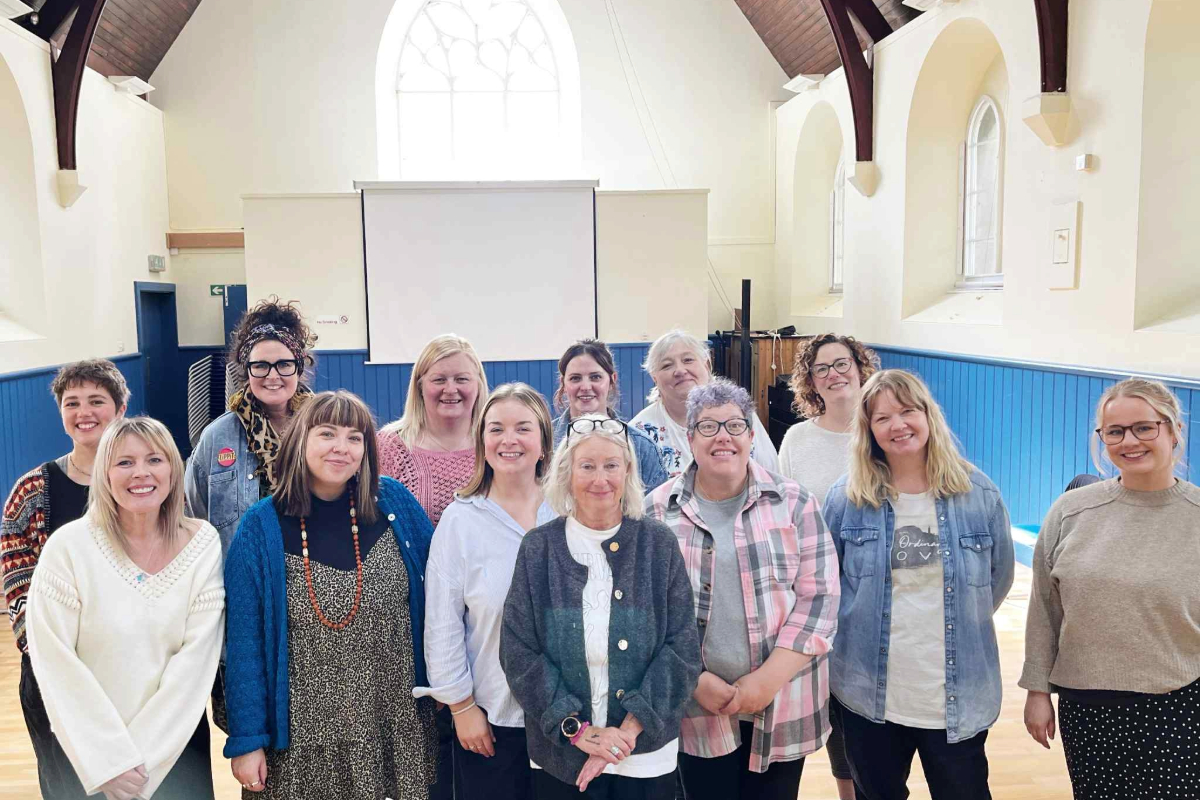
Sharpen Her: The African Women’s Network visit to African Women’s Group in Scotland

We learnt how AWGS started 30 years ago, how they were proactive in assessing and responding to women’s needs, creating a space for women to thrive in a new environment (30 years ago there was a very small migrant community in Aberdeen). The initial recognition was that we came together to ‘sharpen’ each other. -Recognition of the skills and qualifications …

African Women's Group Aberdeen group photo

We learnt how AWGS started 30 years ago, how they were proactive in assessing and responding to women’s needs, creating a space for women to thrive in a new environment (30 years ago there was a very small migrant community in Aberdeen). The initial recognition was that we came together to ‘sharpen’ each other. -Recognition of the skills and qualifications that African women bring – Work coaching to enhance women’s employability in a new country – Sharing experiences – Documenting our story – African women have been in Scotland for over 500 years – Bottom up approach, women setting the agenda – Building the capacity of organisation management to interact with key agencies – Challenging negative narratives concerning African women – Building the capacity and confidence of women as individuals – Developing a can do attitude – Encouraging women to get involved in politics

We also learnt what has kept the AWGS going for 30 years: -Passion -Focusing on the vision -Consistency -No self interest

The exchange was warm and collaborative, marked by open dialogue, shared meals, and mutual learning. Activities included:
• A round table discussion where both groups shared their journeys, successes, and challenges.
• Reflections on strategies that support women’s leadership, personal development, and community involvement.
• A communal meal that encouraged informal connections and strengthened cultural and emotional bonds.
• A knowledge exchange focused on governance, programme design, outreach strategies, and sustaining
engagement over time.

Learning Outcomes

  1. Strengthening Relationships: A strong and meaningful connection was established between Sharpen Her and the African Women’s Group Scotland (AWGS). This relationship laid the foundation for future collaboration, shared programming, and peer support.
  2. Clarity of Purpose (“The Why”): One of the most powerful takeaways was the importance of staying grounded in the organisation’s core purpose. The Aberdeen group’s success and longevity are in part due to their unwavering commitment to their “Why”—the core mission of uplifting and advancing African women.
  3. Needs-Led Programming: Effective programming begins with truly understanding the needs of women in the community. The AWGS demonstrated how they continuously listen, adapt, and respond to the lived realities of their members, ensuring relevance and impact in their work.
  4. Additional Insights
    • Sustainability Through Consistency: Regular, consistent meetings and activities contribute to strong community trust and participation.
    • Collaborative Leadership: Shared leadership models and empowering women at every level of engagement strengthens ownership and resilience.
    • Cultural Anchoring: Celebrating cultural identity and lived experience fosters belonging and strengthens the network’s sense of purpose.

"This was a highly successful and inspiring engagement for Sharpen Her. The visit reinforced the value of collaboration, peer learning, and purposeful connection within the wider community of African women in Scotland. Sharpen Her returned from Aberdeen with renewed focus, actionable insights, and a growing sisterhood dedicated to the empowerment of African women. We extend our gratitude to the African Women’s Group in Aberdeen for their warmth, openness, and generosity. We look forward to future opportunities for shared learning and collective growth. Further thanks go to the Scottish Community Alliance for offering us the opportunity to learn from a big sister organisation. We are very grateful."

Case Studies

Community Energy Scotland members visit to Orkney Rural Energy Hubs

Localised energy initiatives – transport initiatives, trialling wind turbines, hydrogen energy storage, and local cardboard recycling machine/processes.

A group visit to a rural energy hub

N76 are rural remote, subject to geographic distances between communities and face similar factors around a viable and sustainable need for collaborative practice, joint funding applications and looking at ways in which to address issues and alleviate areas where there is a lack of service provision. Discussion with practitioners and volunteers on approaches that our island counterparts use to design projects and deliver tangible outcomes were invaluable. It was interesting to learn about the time and level of commitment required to drive this scheme forward. Critically, learning the need for increased focus on human behaviour and how many islanders mindset are reluctant to give up or move away from dependency on larger diesel engines. The scheme had experienced levels of visitor uptake. It was beneficial to hear and learn about the struggles. The value of being used by a few and the multi benefits brought to those who do choose to use the low-carbon car club far out ways the fear of perceived failure if at first we don’t experience a high uptake of a similar project here in the N76 area.

The Dial a bus scheme was of course a much different picture and reported to have a high uptake and impact on those eligible to access this particular service. There was incredible learning around how restricted the eligibility criteria is and that some service users may use up all their travel in a relatively short period of time. It meant a lot to engage and discuss with real lived experience from a variety of different participants within various organisations and volunteer groups etc. There were a great deal of shared learning and experiences from different perspectives and levels of experiences and stages of project/organisational development. Despite the differences between our Island & Rural communities in SW Scotland there were many identifiable
similarities including socio economic and political factors. We were able to also speak with residents on the island communities where further health & social inequalities were also identified and discussed such as child poverty, food poverty/insecurity, fuel poverty, lack of access to services etc.

Our communities often need to take two busses or a bus and a train to get to the next largest village – fares are not necessarily affordable to low income individuals/households, public transport often does not link up e.g. train does not run to connecting bus times etc. and transport providers in D&G lack in joint up thinking. The island communities and transport initiatives made big efforts to challenge this and are delivering a high and caring quality of service to the individuals who are engaged and accessing. It was interesting to visit Burgar Hill Wind
Farm and hear of the positive relationship with the RSPB. Learning about progress of the development of other Trusts and where they are with Local Place Plans, Community Action Plans and projects e.g. community buy outs of pubs/hotels and community housing etc. couldn’t have come a more timely point in our own community development activities and events.

Learning Outcomes

  • To create a lasting connection with the REH community groups: The N76 partners have years of experience of working in partnership to share knowledge and build capacity,
    while partnership work between the Rural Energy Hubs groups is a newer development. We hope to share the benefits of partnership working and in turn develop a lasting connection with the Orkney-based REH groups. This visit will create an environment to replicate each other’s success and create a rare legacy of organisations in the extreme South and North of Scotland working together in the long term.
  • To share successes, lessons learned and future plans from low-carbon transport initiatives in the N76 project area with the REH groups in Orkney: The N76 partners hope to share experience of their own sustainable transport projects and partnership work with the Orkney hosts. Orkney is a shining example in electrification of transport and use of electric car clubs, but active travel projects have been viewed as more difficult.
  • To learn about successes, lessons learned and future plans for the low-carbon transport initiatives in Orkney: Over the course of the trip (24th-27th February 2025), the N76 partners will visit community transport initiatives around Orkney, to learn from their experiences and to see these initiatives in action. This will include visits to Rural Energy Hubs partner development trusts from the islands of Rousay, Shapinsay and elsewhere in Orkney. This will allow the N76 partners to learn about community transport initiatives and aspirations in these communities, as guests of the local development trusts. Other items on the agenda include a visit to the Orkney car club to see a successful low-carbon car club in action, as well as to a community windfarm. The N76 partners will also visit the Orkney Disability Forum’s Dial-a-Bus scheme, since Dial-a-Bus schemes have been a recent topic of conversation as part of the project and there may be interest in setting up a similar scheme with community transport operators in the N76 area in the future.

"The most useful learning was provided by dedicated staff and volunteers striving to design and deliver community led solutions to community identified need. It is inspiring and motivational for us here in SW Scotland to adopt a islander perspective and celebrate the small wins, gradually as they do occur rather than get caught up in looking at too big a picture - as it overwhelming in terms of geographic range and the real lived experiences that are currently impacting on our communities in terms of accessing services such as medical, employment, education and social etc."

Case Studies

The Furniture Project (Stranraer) visit to COPE Shetland

Vital lessons for inclusivity

A group of people admiring gifts in a shop

The recent visit to COPE Shetland served to fulfil and exceed the expectations outlined in our application, aligning perfectly with the anticipated outcomes we set forth. Our primary objectives were centred on enhancing our understanding of successful inclusivity models, exploring effective employment practices for individuals with disabilities, and identifying best practices for community engagement.

One of the key outcomes of our visit was to gain insights into effective strategies for fostering inclusivity in the workplace. COPE Shetland exemplifies this ethos through its structured programs and activities that engage individuals with disabilities meaningfully. We witnessed first-hand how participants were actively involved in every aspect of the three businesses—Home Co, Garden Co, and Soap Co—including warehouse operations, till management, and product creation. This operational model not only promotes independence but also boosts the self-esteem of participants, demonstrating a successful framework for inclusivity that we aspire to replicate in our initiatives.

Our visit allowed us to explore innovative employment practices that yield positive outcomes for both participants and staff. COPE Shetland provides participants with wages and holiday allowances, creating a sense of purpose and financial autonomy. This was particularly enlightening, as it underscored the importance of valuing contributors regardless of their abilities. By learning about the Access to Work grant funding, we gathered vital knowledge on how to secure specific support tools for individuals with additional needs, an approach we plan to incorporate into our operational strategy.

The warm and engaging approach employed by COPE Shetland serves as an exemplary model for community engagement. This was evident in their staff’s uniformity and the visible culture of respect and collaboration within the organisation. We appreciated how the use of participant imagery and storytelling in promotional materials connected the community to the individuals behind the work, fostering a genuine sense of belonging. This emphasis on personal narratives for customer engagement is a strategy that we will consider adopting to deepen our own community ties.

Our visit also facilitated networking opportunities that we had hoped to establish. Through discussions with COPE’s dedicated staff, particularly Joanne, who coordinated our visit, we identified several collaborative avenues moving forward. Joanne’s meticulous planning and dedication not only ensured a comprehensive agenda but inspired us with the commitment and passion that COPE Shetland embodies. We aim to maintain contact with COPE and explore ways to collaborate on initiatives that will further enhance support for
individuals with disabilities in our own community.

Overall, our visit to COPE Shetland successfully met the outcomes specified in our application. We left with a wealth of knowledge and practical insights that will substantially inform our strategies for inclusivity, employment practices, and community engagement. We are excited to implement what we have learned and look forward to the potential for future collaborations with COPE to further impact our communities positively.

Learning Outcomes

  • Upon completion of the Community Learning Exchange, we will be able to implement effective tailored skills training programs that significantly enhance employment opportunities and support systems for individuals with additional support needs, fostering a more inclusive community and workplace environment.
  • By the end of the visit, we will be able to analyse and address potential barriers to employment and social participation faced by individuals with additional support needs, and devise creative solutions to promote accessibility, equal opportunities, and social inclusion in their community and workplace settings.
  • We will be able to design, implement, and evaluate effective communication strategies that cater to diverse needs, promote empathy and understanding, and foster respectful interactions between community members, service providers, and individuals with additional support needs, leading to improved relationships and more inclusive service delivery.

"One of the standout aspects of COPE Shetland is its emphasis on individualised support. Observing how staff members tailor their approach to meet the specific needs and preferences of each participant was enlightening. This experience underscored the importance of understanding the unique challenges faced by individuals with disabilities and the necessity of adapting support mechanisms accordingly. We learned that creating customised pathways can significantly enhance engagement, motivation, and overall satisfaction for participants. This approach is something that we intend to apply to develop more individualised support plans in our own programs."

Case Studies

The Wash House Garden visit

Supporting healthy workplaces and food grower’s co-operatives

A group of people sitting at a table with tea and coffee

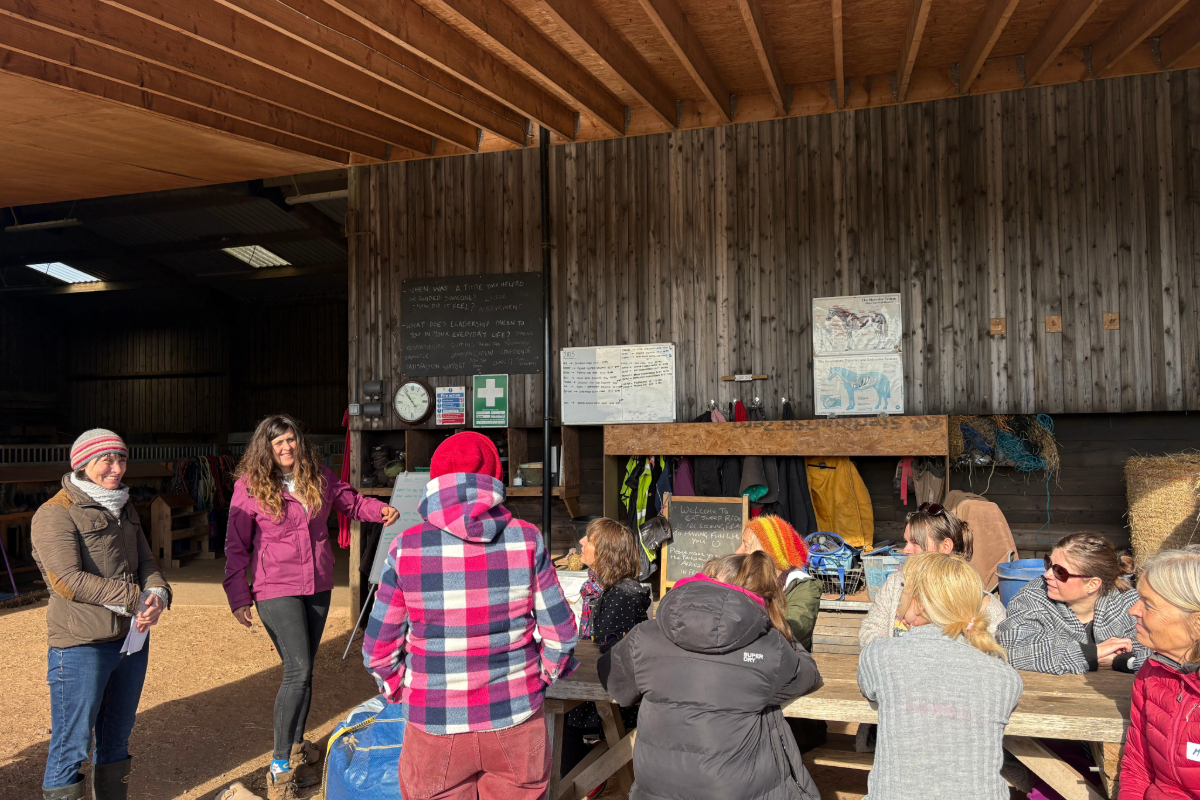
We spent the first hour sharing details about our governance, meeting, accountability, decision-making structures etc from each of the three projects, learning tactics from each
other, each in a unique position. We were able to ask each other lots of questions. The introduction of Slack was a big hit! The second hour was spent learning more about sociocracy and consent decision making, and hearing how Ally Park put it into practice within their team.

Finally, we spent a good chunk of time exploring how we might go about co-writing ‘contracts of care’ within our teams, and what they could address (e.g. sick leave, grievance, processes, access needs etc). It was clear that a lot of nuance, personalisation and consideration was required to make sure these were just and equitable. It generated a lot of food for thought for each organisation to go away with, but the stand out point for everyone was the desire to integrate access riders into their workplaces.

The ‘contracts of care’ that we began to generate has helped us get going with our own in our individual teams, but also has led to another workshop that the Seed Library has been able to fund, in which we are sharing this concept and its relation to land work with other food growers and community gardeners in the city. So we are really glad that the impacts of this exchange are rippling out to our wider network.

We are also now developing a conversation with the Glasgow Community Food Network and the Green Party councillor for Dennistoun about co-operative governance which will begin with a blog post – I will make sure we credit CLE for the funding to support these initial talks!


Learning Outcomes

  • To share knowledge and practices for successfully working together in co-operative, non-hierarchical structures. Similarly, to help each other understand ways of dealing with conflicts within a non-hierarchical workplace.
  •  To identify the specific challenges and opportunities present in land worker’s co-operatives, how we can best embrace them, and also ripple this awareness out to our wider community.
  • To build a sense of solidarity and community within Glasgow’s food grower’s co-operatives sector, and create tactics for support and accountability into the future

"Through strengthening our skills in working in a collaborative ecosystem at work, we improved our engagement activities within the community. There is much to be learned from nature about collaborative partnerships, and so this a learning exchange that reflects both our interpersonal work environment and also the literal ecosystems/landscapes that we’re partnering with. There are also other food-growing co-operatives in Edinburgh and other parts of Scotland that we would like to connect with in the future, drawing from the tools we will develop through this exchange."

Case Studies

SHAX visit to the Furniture Project

Partnerships for procurement

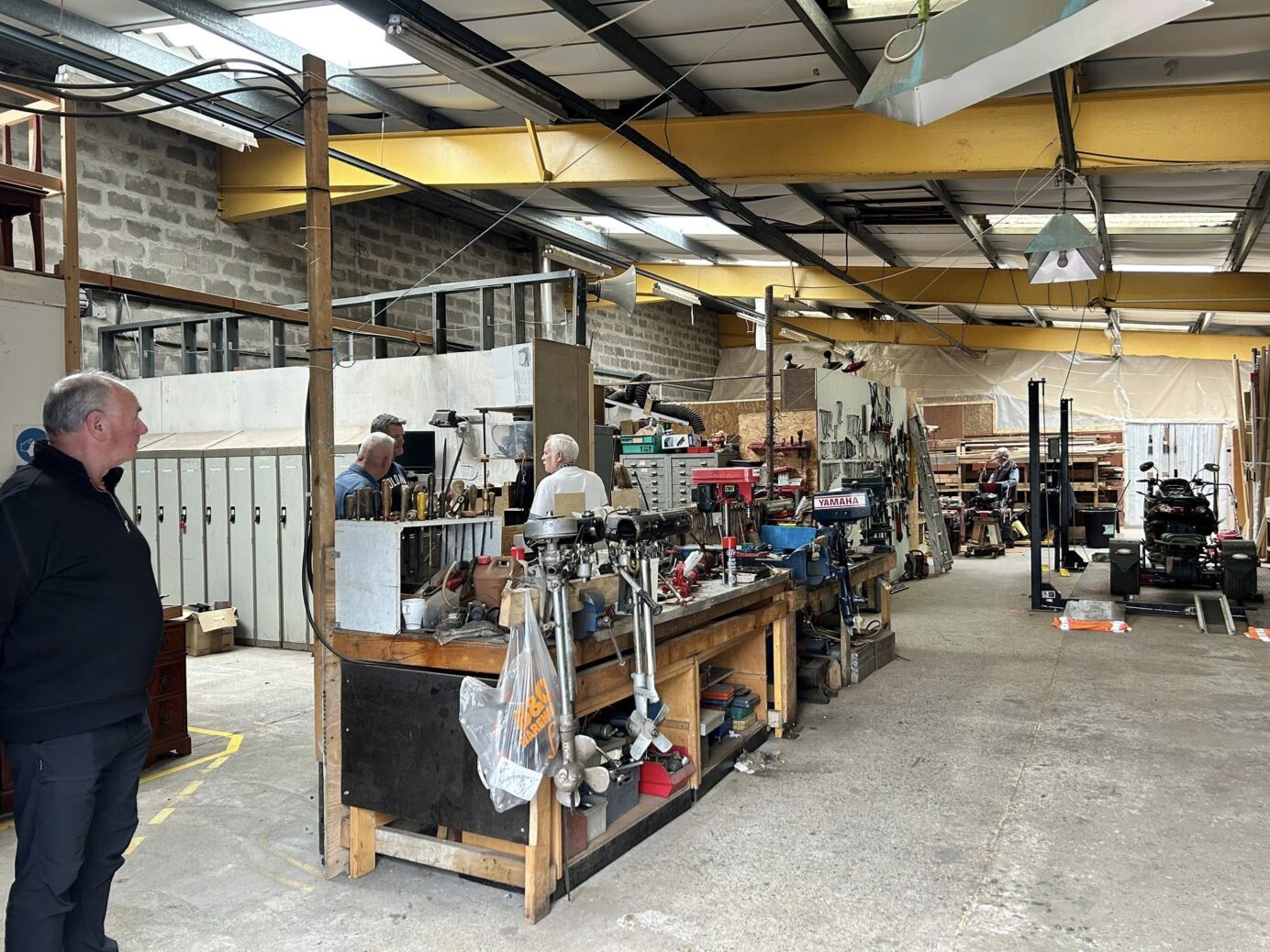
A furniture re-use warehouse

We wanted to gain a better understanding of the contract between the council and furniture project- which is based upon geographical location and solely to service re-cycle centres. We learned that this is a procurement contract and cannot be implemented for the east of the region unless it goes through the same criteria. The furniture can be of varying states of repair depending upon the recycle site and the operatives based there as to what is put aside for the project or put into landfill. The dedicated use of a van for this operation is essential as some locations can take all day to collect from and as there are over 10 sites to collect each week, a specific van is needed. This will involve further costs in the start up-  if SHAX could get a contract for this region, this will also mean recruitment of colleagues helping the local community.

Funding of all of the projects has become more difficult over time but the Furniture Project have lots of windfarms in their location which might help put them in a stronger position for funding in the future. The shop was well laid out and gave a few options for our renovation project going forward, we will need to invest in shop shelving going forward to utilise space better.
The idea of recruiting volunteers specifically for areas of the shop was intriguing as it ensured the volunteer knew their area of work when they turned up as well ensuring each section of the shop had someone that took ownerships and gave it the TLC that it needed.

We discussed working in collaboration if the ZERO waste park is built in Dumfries. The project has been shelved for the last 5 years but it has been discussed that it is option for the future. The council meetings I have attended have indicated that this project will be revived and working with the furniture project with their expertise in this contract already will be invaluable.

Unfortunately, the Bike re-cycle project that we were keen to develop doesn’t seem worth it, due to the prohibitive training costs that incur a two week residential stay. The money made on each bike re-cycled was not enough to cover the basic overheads and costs of materials. The bikes were better off going to scrap merchants as more value to the bike than repairs, this was apparent due to the 100+ bikes lying around in their yard open to the elements.

Electric vehicles, specifically electric vans are not worth it currently. The Project has two vans, one transit size and one Kangoo size. The Kangoo size does not have the range to do much, it is used as a run about town, range of about 50-60 miles. The transit van has a range of 150 miles maximum before recharging and this can take up to 4-5 hours depending on charging unit used. It would be no good to us, as we have a large geographical area to cover and only have a window of 60 minutes to re-charge the van for the second run of the day. The use of heaters/radio/wind screen wipers also have a detrimental effect on the vehicles range and as such it is not a viable option for the charity currently.


Learning Outcomes

  • Understand the contract to provide homelessness services between the council and The furniture project, what it entails, what are the benefits and drawbacks and see if I can develop one for our charity.
  • Understand the the Furniture project have collection points for donated goods at council run waste re-cycling sites, I need to understand how this relationship started and what benefits and negativities this has brought to the organisation. And conduct a site visit to one of these collection points to see it in action.
  • Any future projects that The Furniture project are looking to do and see if I can be part of the process to ensure we provide a united front and benefit from collaborative working.

"Our charities work in the same sector and are both social enterprises that support homelessness. The furniture project have a contract with the council in regards to providing services to the local community. We wanted to understand how this came about and how we can replicate this with our organisation. the exchange gave us the chance to see what new ideas they are implementing and build a relationship with an organisation that we can now work in partnership with."

Case Studies

Badenoch and Strathspey Community ConnXions visit to Day 1

Sustainability and making best use of local resource

People viewing a Go Kart workshop

The learning exchange was an opportunity to stop, think and reflect on our organisations future purpose and model. We are a very busy charity that has existed for 25 years and are going through an important phase of our development. It is very rare that our staff, volunteers and board get together. Day 1 are a leading social enterprise that have successfully managed to move away from sole reliance on grant funding. They deliver a range of youth work and outreach projects through income generated by the kart raceway. Their green credentials are of real interest as they generate power for their electric go-karts and deliver on their sustainability policy.

We had the opportunity to learn from the Day 1 team and apply this to the future of our organisation. We are keen to generate more income to help move away from grant funding, grow our impact in our community and improve our sustainability. There were opportunities for learning both ways and this visit also fostered stronger relationships between our organisations for the future.

Learning Outcomes

  • Social enterprise model
    Learning about the history of Day 1, the why and the idea to develop a kart raceway.
    How it works to generate income towards youth initiatives and how this impact is measured. Understanding the opportunities and challenges with running more of a commercial operation compared to working in the grant funding landscape.
  • The why – youth work
    Looking at the purpose of the organisation and the roll out of successful youth projects including employment, apprenticeships and developing key life skills for young people within the local community.
  • Sustainability
    Understanding the transition towards electric karts inc managing change. Discussing wider sustainability within the organisation inc the policy and practical measures such as Solar PV and making better use of local resources.

"On reflection, our trip was a valuable learning experience for all of those who took part. It was interesting to listen to their story and growth from a small charity into a prosperous social enterprise. It also reinforced that we are on the right path with our ethos, approach and future aspirations."

Case Studies

The Community Food Stop Café

Community meals and provision of communal food

People dining in a community hall

In 2025, Nourish Scotland started a community meals knowledge exchange programme. This programme aimed to review what ‘good practice’ looks like for community meals and gather intelligence on the current provision of these meals across Scotland. Crucial to doing this work well was getting a good cross section of meals involved – those with different prices, approaches and, importantly, in different geographical areas/communities. For this reason, we were keen to engage Kyle of Sutherland’s Community Café , given its unique remote location – in comparison to Edinburgh for example where there the landscape of food provision looks very different. We planned to facilitate exchange visits between the meals so that learning could happen between them.

Given the distance to Kyle of Sutherland, we were unsure whether an in person would be possible. This funding enabled the Nourish members of the programme to visit Kyle of Sutherland. It meant we were able to experience, review and properly reflect on the meal. This informed key learnings about the differences in community meal provision across Scotland. For example, sourcing looked very different here than it did for a community meal in Glasgow – as did the menu and customer base. What we found about the current state of community meal provision is that it is increasing, but that it’s not always clear when, where, who is running the meals. For meals that means it’s difficult to share learnings and for customers it means it’s not always clear when they can/can’t go to a community meal.

This work has helped to shed light on this invisible network. In doing so, it will help policymakers understand where community meals fit into the current landscape of food provision as well as inform expectations and help set directions for this type of provision. There will be a report produced in the coming months that will detail the main findings.

Learning Outcomes

  • Facilitated key relationships between community meal providers across Scotland
  • Shared and built on key learnings around payment, customers, dining experience and funding models
  • Developed findings around what good practice means for community meal provision

"We know that community meals are a part of transitioning out of a food bank or ‘food aid’ model towards a more dignified way of eating together in community. Some community meals are more successful than others at escaping the stigma associated with food aid and food insecurity – and are therefore more accessible to a wider range of people, not just those in most acute financial crisis. In addition, research indicates that two thirds of people who need help with food are not getting it, in part because of the stigma associated with food aid. Community meals, if done right, could provide part of a solution to some of these issues in the medium term."