
100 Acres of Ambition: Growing Community Wealth at Lauriston Farm
December 12, 2025
How a workers’ cooperative in Edinburgh brought 100 acres back to life, building wealth through food, community, and biodiversity.
Reporting by Charlie Ellis
Edited by Lucas Batt, Greater Community Media
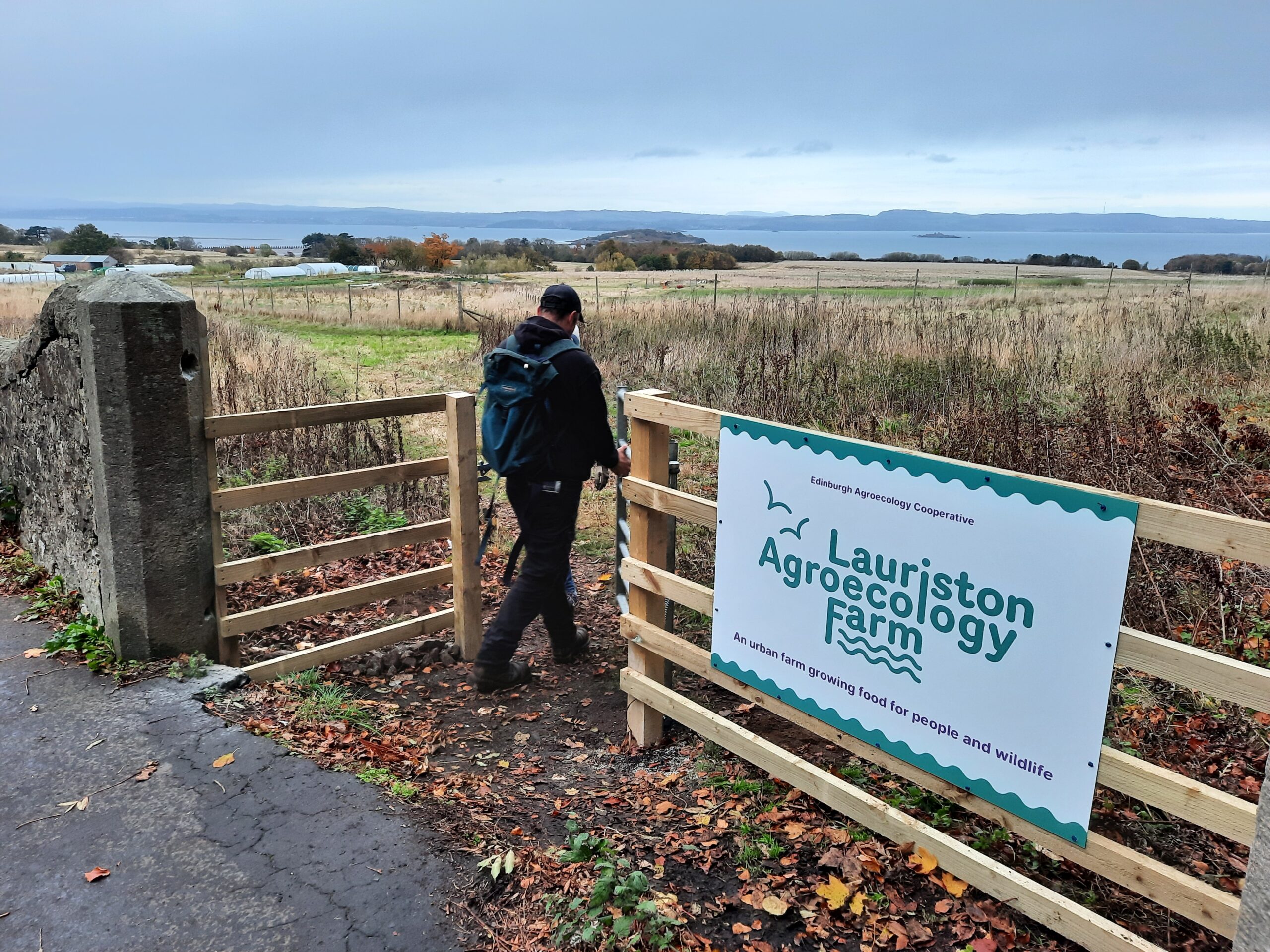
Stand on the highest mound of the Lauriston Agroecology Farm, and the first thing that hits you is the wind. On a blustery day, 45mph gusts sweep in from the Firth of Forth, rattling the hood of your jacket. But look past the weather, and the view is spectacular: a sweeping panorama down to Cramond Island and across the water to Fife.
“The scenery and the variety of weather makes it a fantastic and inspiring place to work,” says Lisa Houston, a co-founder of Lauriston Farm.
For centuries, this view was exclusive. A 16th-century decree forbade building on this land to protect “the Lord’s view” from neighbouring Lauriston Castle. Today, that view – and the 100 acres of soil beneath it – has been reclaimed for the community.
Located between Silverknowes and the Cramond shoreline of northwest Edinburgh, Lauriston Farm might look like a modest allotment project to the uninitiated. Explore the full site, however, and the true scale of the project reveals itself, with a community orchard, market garden, community allotments and forestry. Founded on the values of food, community, and biodiversity, it is a sophisticated, professional enterprise run by an expert team with a clear vision for the land’s future.
Reclaiming the land
The transformation began in 2019, when this massive plot of land was dormant, used only for grazing and occasionally silage. It represented a classic failure of land use. A small group approached the council, urging them to hand the site over for community use. It wasn’t a simple process. It required setting up a workers’ cooperative, securing a positive public consultation with 1,000 local residents, and negotiating a 25-year lease.
Now, the Edinburgh Agroecology Co-operative is unlocking the land’s potential. By securing this asset, they have ensured that the value generated here – social, ecological, and economic – stays here.
A mosaic of habitats
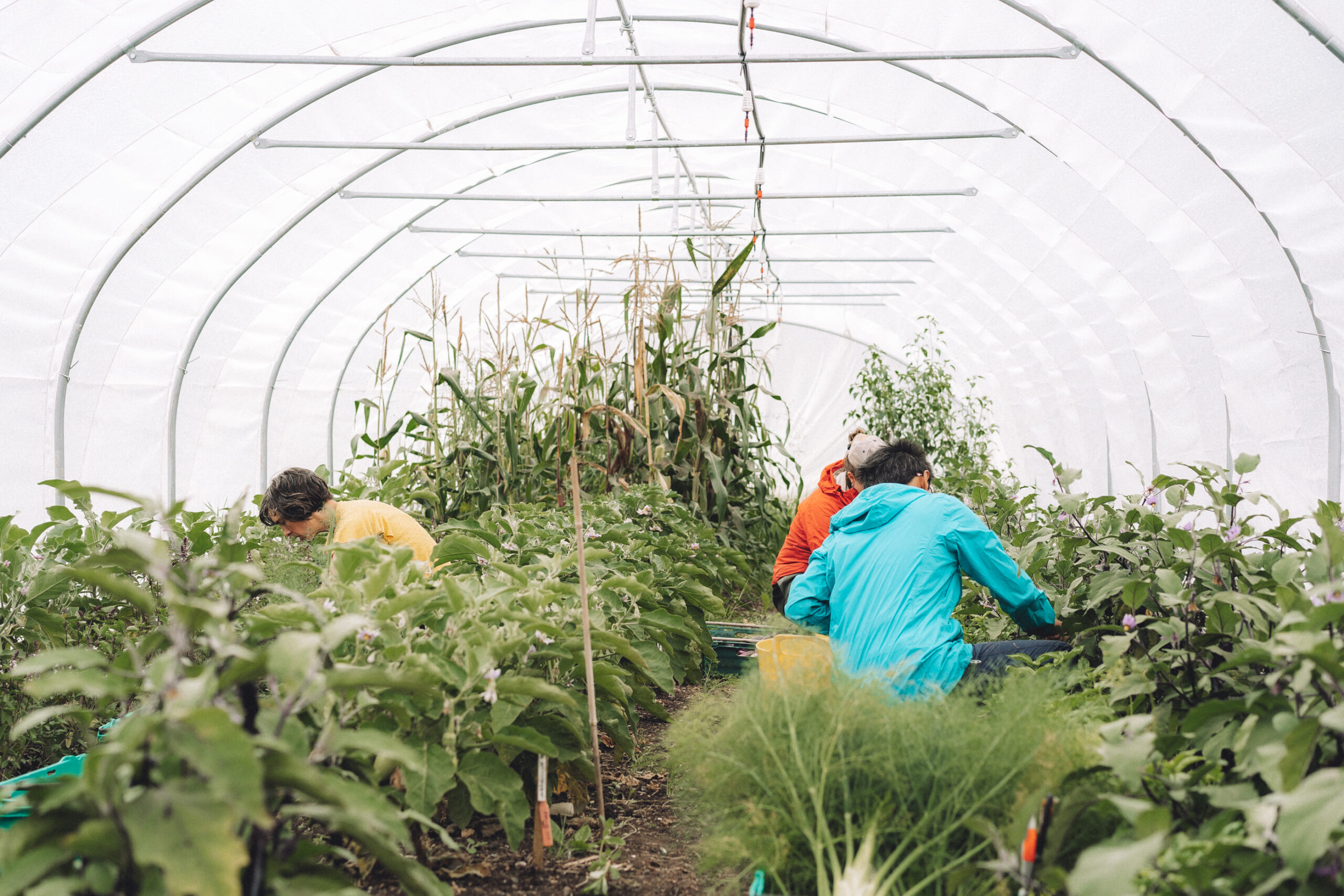
Today, the Farm is bursting with life and activity. It operates with a blend of cutting-edge regenerative farming and ‘lost arts,’ consciously moving away from industrial agricultural norms, building wealth in the soil rather than extracting it.
The scale of ambition here is breathtaking. Since securing the land, the team has planted 12,000 trees and several hundred metres of hedgerow. The bulk of the tree planting is a mix of woodland habitat for wildlife, and an alley crop system. Between the long lines of the alley trees they grow crops, and the trees help to regulate moisture and enrich the soil, add stability, and provide shelter from the wind, as well as future crops of nuts and fruit themselves.
The other trees are part of the Community Orchard; the fruit will be for the community to take and use, and the variety of trees create a ‘mosaic of habitats,’ promoting greater biodiversity, encouraging a rich wildlife community to flourish.
Kate MacDougall, who leads communications for the Farm, is particularly excited about the wheatfields they have started. Using Granton Rouge d’Ecosse, a variety indigenous to Granton, they hope to eventually see bread that is from local wheat and locally baked by Granton Garden Bakery, another community organisation.
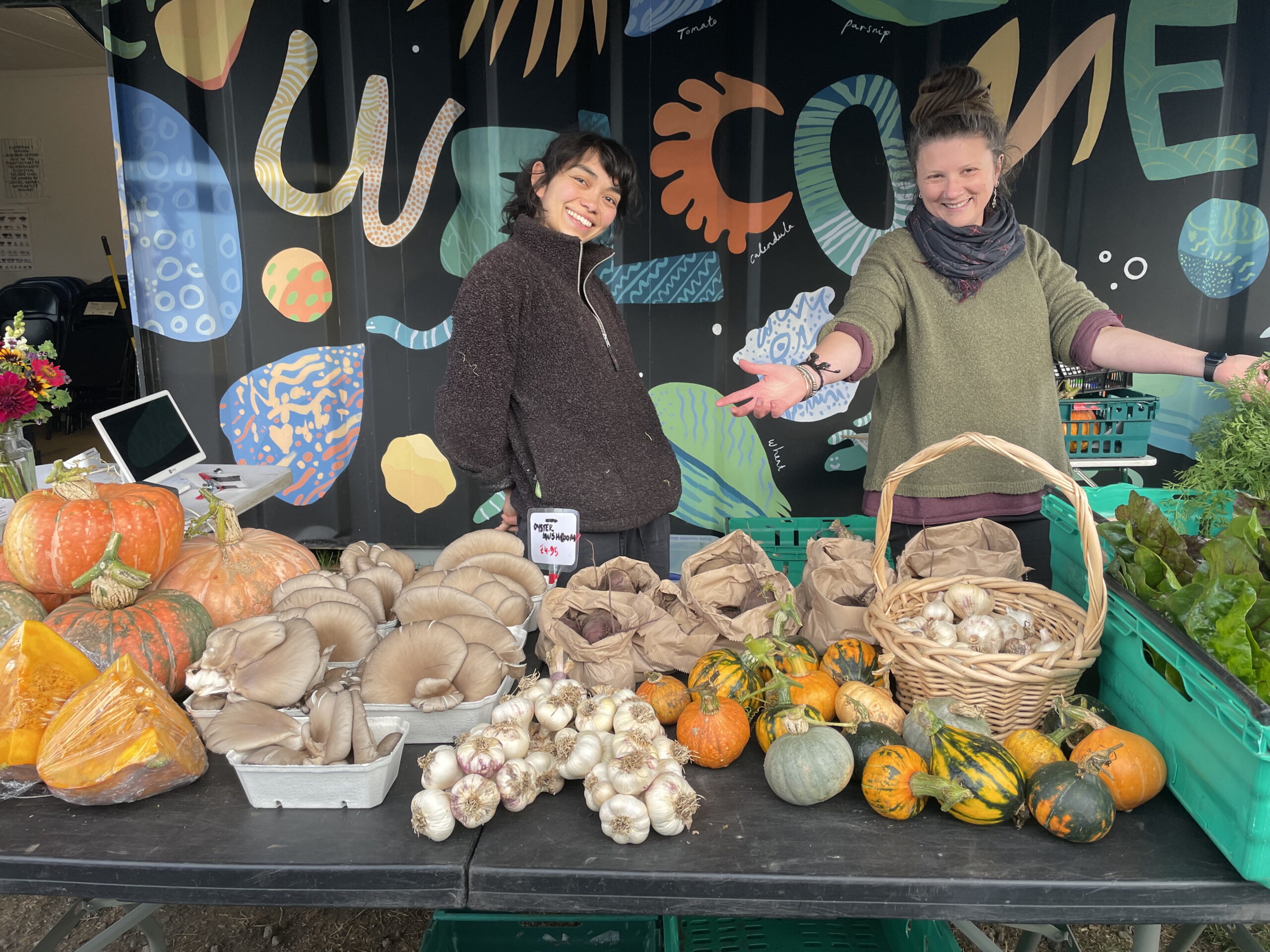
Equally vital for biodiversity is seed saving, habitually keeping some crops aside for seeds to ensure organic growth and to maintain less common varieties. Lisa explains that the loss of this habit has resulted in a situation where most commercial seeds are provided by a small number of big players, often agro-chemical firms. By saving seeds like pumpkins, beetroot, and kale, Lauriston Farm is helping to maintain a diversity you won’t find in a supermarket.
The commitment to sustainability extends to the project’s goal of minimal waste and circularity. Lisa points to the “loop system” used with Rhyze Mushroom, one of the organisations involved, where waste products are used for a wormery, which in turn creates compost, ensuring nothing is wasted.
A sanctuary in nature
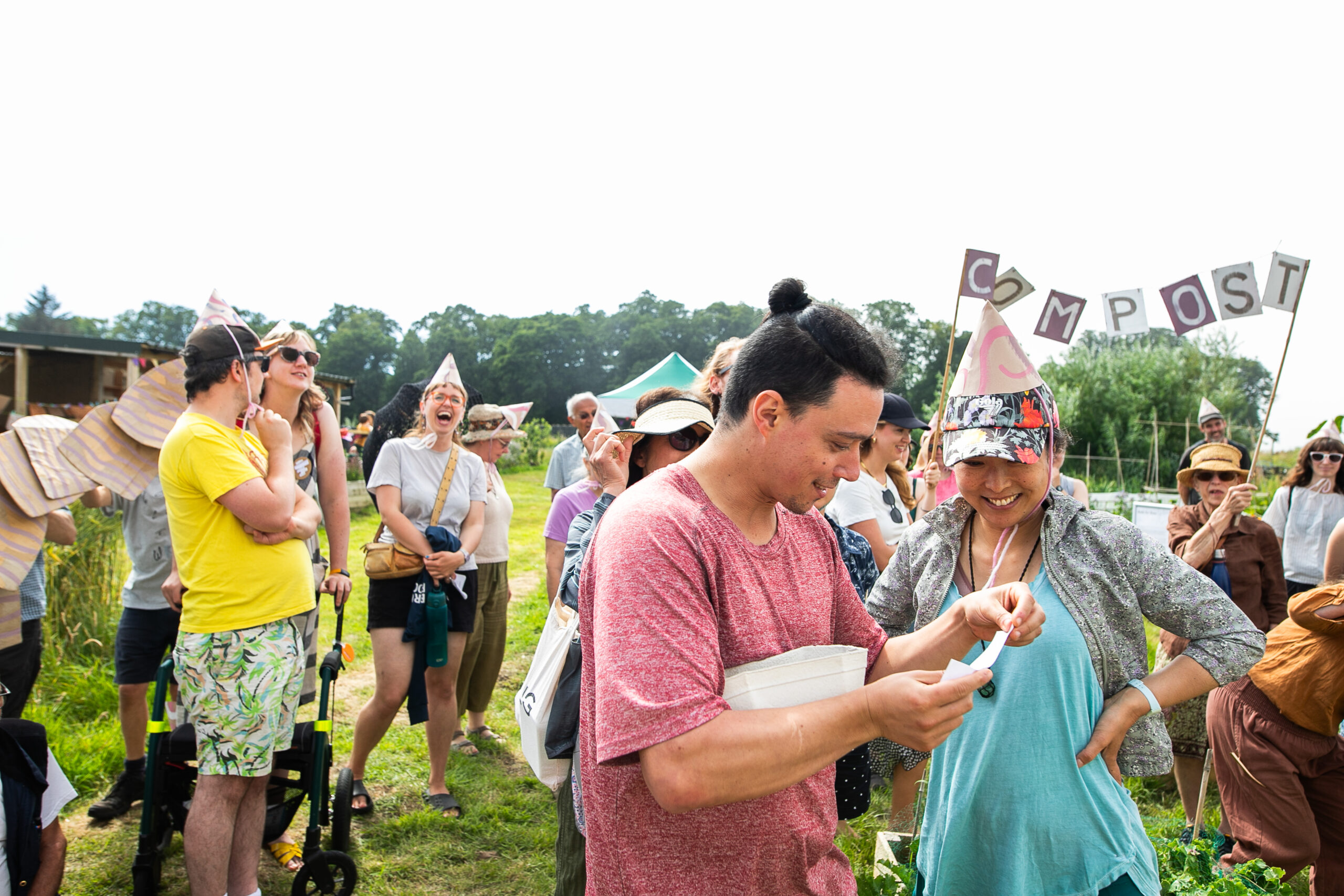
Lauriston Farm is creating a richer environment, and also providing a place for people to spend time in nature.
An established destination for urban walks, maintaining public access remains an integral part of the project’s identity. Visitors are encouraged to wander along a network of new way-marked routes. The sloping site offers glorious views down towards Cramond Island and across the Firth of Forth to Fife, retaining a uniquely rural feel despite being well-connected by public transport.
Nurturing the community
Lauriston Farm is wedged between two golf courses and a nearby housing scheme. Surrounded by new residential developments, the project is perfectly positioned to tap into a diverse local population.
It has a well-used community allotment, with diverse groups using the space, including a partnership with a homelessness charity. The Farm helps people learn to grow, with a dedicated ‘community navigator,’ Hannah King. “We hold their hands,” Lisa says of new growers, helping them gain knowledge and confidence.
A core goal of the project is to increase access to affordable locally grown food. They recognise that access to green space is an element of inequality, so they prioritise allotment access to those who don’t have gardens of their own.
To support accessibility, the Market Garden operates a sliding scale model for its agroecological veg bags. With a base price of £12.50 for a bag, those who can pay more are encouraged to do so, subsidising those who can pay less.
“It must remain a mix,” Lisa emphasises. This isn’t charity; it is community solidarity. It ensures that access to high-quality, local food isn’t reserved for the wealthy, but also helps bring in essential income to keep the project financially sustainable, and paying staff a Real Living Wage. High-quality green jobs like these paying a Real Living Wage are a rarity in the agricultural sector.
The support network
Lauriston Farm is part of a wider movement championed by Nourish Scotland, an NGO working on food policy and practice. Simon Kenton-Lake, who leads on their food partnership work, sees Lauriston as a leading example of what a fairer, healthier and more sustainable food system could look like: “There’s food production, community engagement, there’s allotment sites, there’s commercialisation, and there’s some re-wilding of the land”.
Nourish Scotland works at the food systems level, breaking down the silos between public, private, and third sectors to create a joined-up approach where community food projects like Lauriston Farm can thrive.
Simon describes their role as connecting the dots across the system. “In order to create food system change, you need to have all stakeholders in the room,” he explains, “You can’t think about food insecurity without thinking about workers’ rights, without thinking about climate change or biodiversity.”
Through their coordination of the Sustainable Food Places network, Nourish ensures that grassroots energy from places like Lauriston is channelled upward to influence legislation like the Good Food Nation Act. They provide the strategic context that allows local groups to navigate the complex landscape of procurement and policy.
They are clear that community organisations need more stability and support. “Secure multi-year long-term funding is such a huge stumbling block that prohibits a lot of community organisations from developing long-term strategies” says Simon, “and restrictive funding criteria and specific evidence of impact constrains community organisations from doing what they do best”.
Addressing global challenges, locally
Through acting locally, the work of Lauriston Farm is fundamentally connected to major societal issues: climate change, inequality, social isolation, and a deep disconnection from nature and food production.
As a workers’ cooperative, they are showing how a community-led approach can revitalise land, with sustainable and regenerative practices managed by a democratic organisation. As an example of community wealth building in action, they provide fair work through Real Living Wage employment, creating local jobs, and building the skills and confidence of local people to grow their own food and connect with nature. Their supply chains could hardly be shorter, growing food sold locally and saving seeds.
In just a few short years, the Farm has already made impressive strides in both highlighting and beginning to address these complex, global challenges.
However, the team is candid about the challenges. Kate notes with humility that while they hope to inspire others, theirs isn’t the “only way”. But what they have proven is that with the right expertise, dedicated funding, and secure access to land, success is not just possible, it’s replicable – growing the wealth of Scotland’s communities.
Read more from our series This is Community Wealth Building and what we’re calling for to support Community Wealth Building across Scotland.