European Rural Parliament learning exchanges
Scottish Community Led Local Development on the ground showcased in the European Rural Parliament
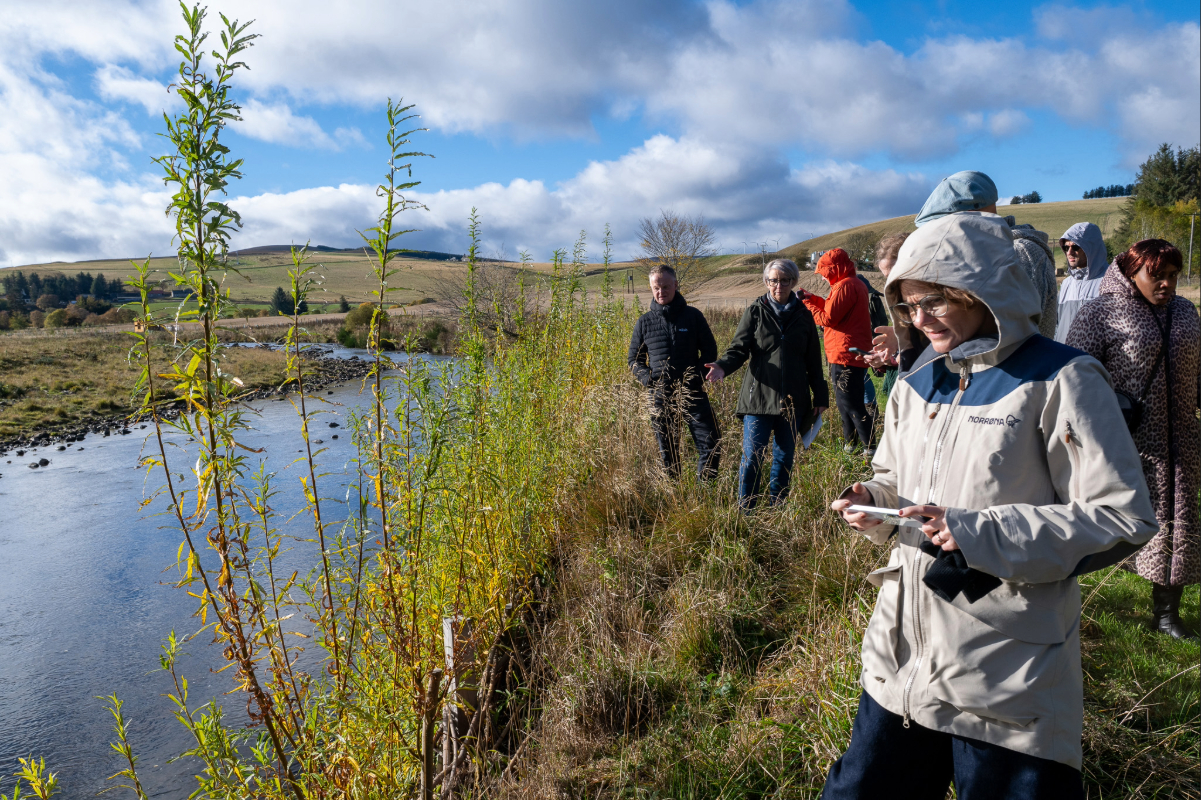
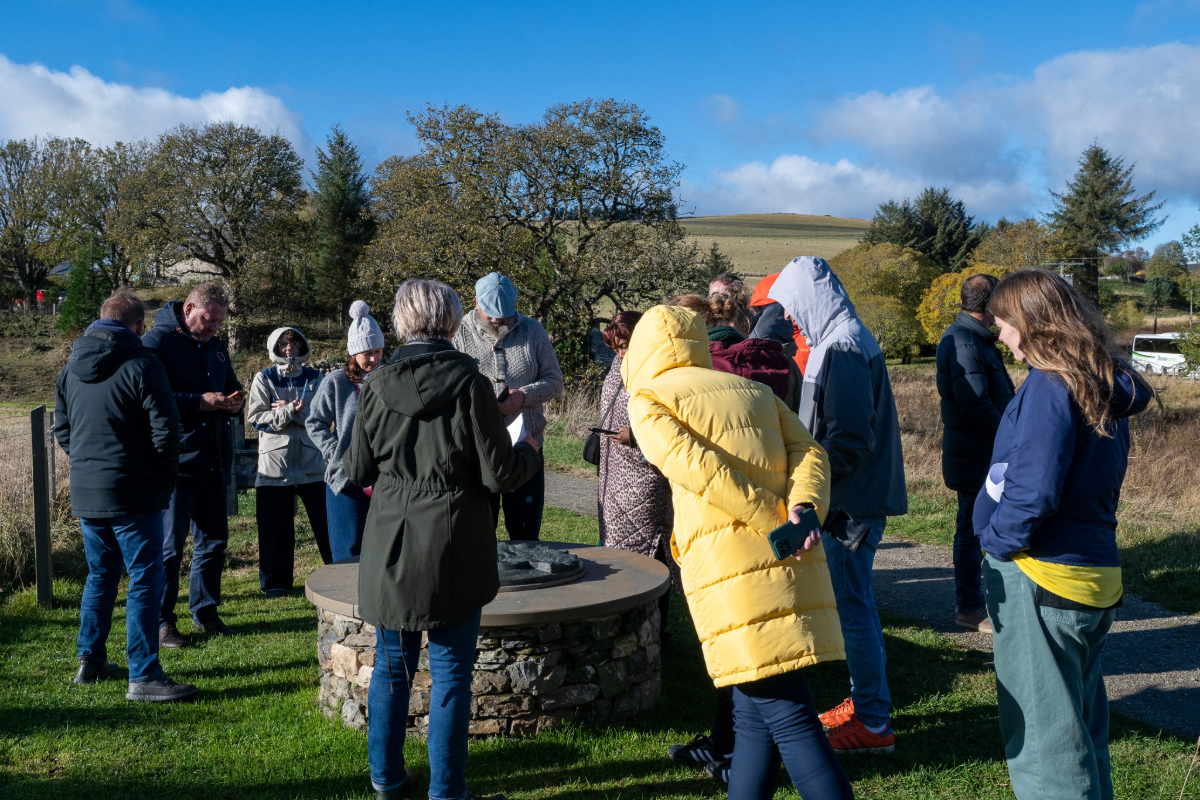
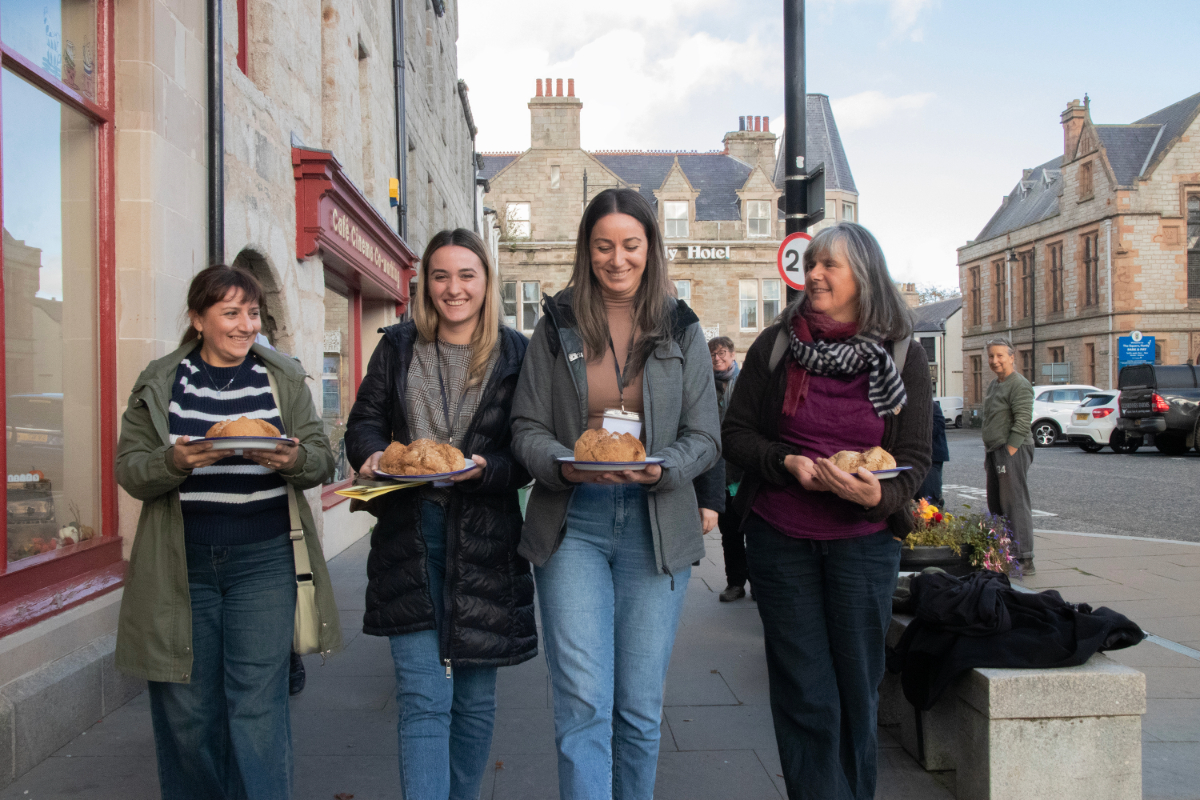
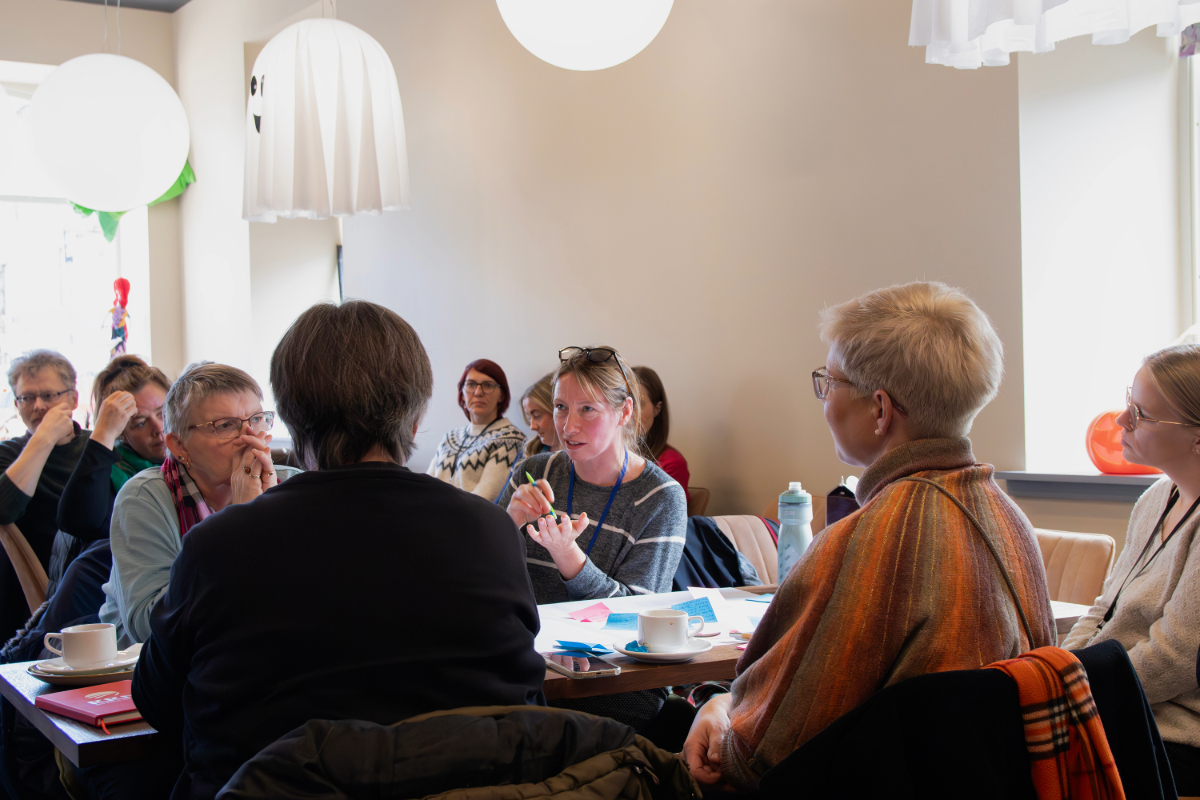
Chosen for its communities and enterprises that exemplify the theme of the 6th European Rural Parliament (ERP) — ‘Rural Community Solutions to Global Challenges’ — the North East of Scotland provided a rich platform for learning and dialogue. Eleven learning exchanges across Aberdeenshire, Angus, Moray and the Cairngorms National Park showcased excellence in rural practice, bringing the programme’s themes to life. These immersive and engaging study visits helped shape the Declaration of Inverurie, a bold vision for Europe’s rural future, and reflected the hard work and collaboration of the organisations that designed and curated the 6th ERP.
The CLE Fund supported four of these learning exchanges, focusing on community-led tourism, culture, land management, and health and wellbeing. Each study trip involved 25–35 delegates and enabled host communities to share best practice, build connections, and develop future partnerships. The visits demonstrated the power of peer-to-peer learning in addressing shared challenges, inspiring practical solutions that can influence policy.
Collectively, the exchanges strengthened the narrative around the visitor economy, reinforced the relevance of culture and heritage, explored diverse approaches to land use, and highlighted the central role of health and wellbeing in rural communities.
Learning Outcomes
- Community Tourism: A stronger narrative for community led tourism and recognition of the need for realistic marketing of rural and island tourism destinations.
- Culture: Raising awareness of the Doric language and local culture, reinforcing the importance of keeping languages alive for Europe’s collective future. Exploring cross-cutting themes with Climate Resilience, by providing a space for wider lunch networking with attendees of the NESCAN study trip.
- Land Management: Exploring how better rural people can make best use of finite land to meet various, and sometimes conflicting priorities – nature conservation, economic development, community wellbeing, food production.
- Health & Wellbeing: Raising awareness of health and wellbeing initiatives in rural areas, and promoting best practice around early intervention strategies.
"Seeing community-led solutions in action, and having honest conversations with people facing similar challenges, gave me ideas I can take home and apply immediately. The peer-to-peer learning was invaluable. Scotland can demonstrate local, national and cross-border rural development, outwith current EU programmes, yet in close collaboration and, where appropriate, alignment with them. For example Aberdeenshire is currently part of three Horizon programmes: CODECS, Granular, and Ruractive."