
Connected Hubs exchange
Building a Connected Hubs network for resilient community spaces
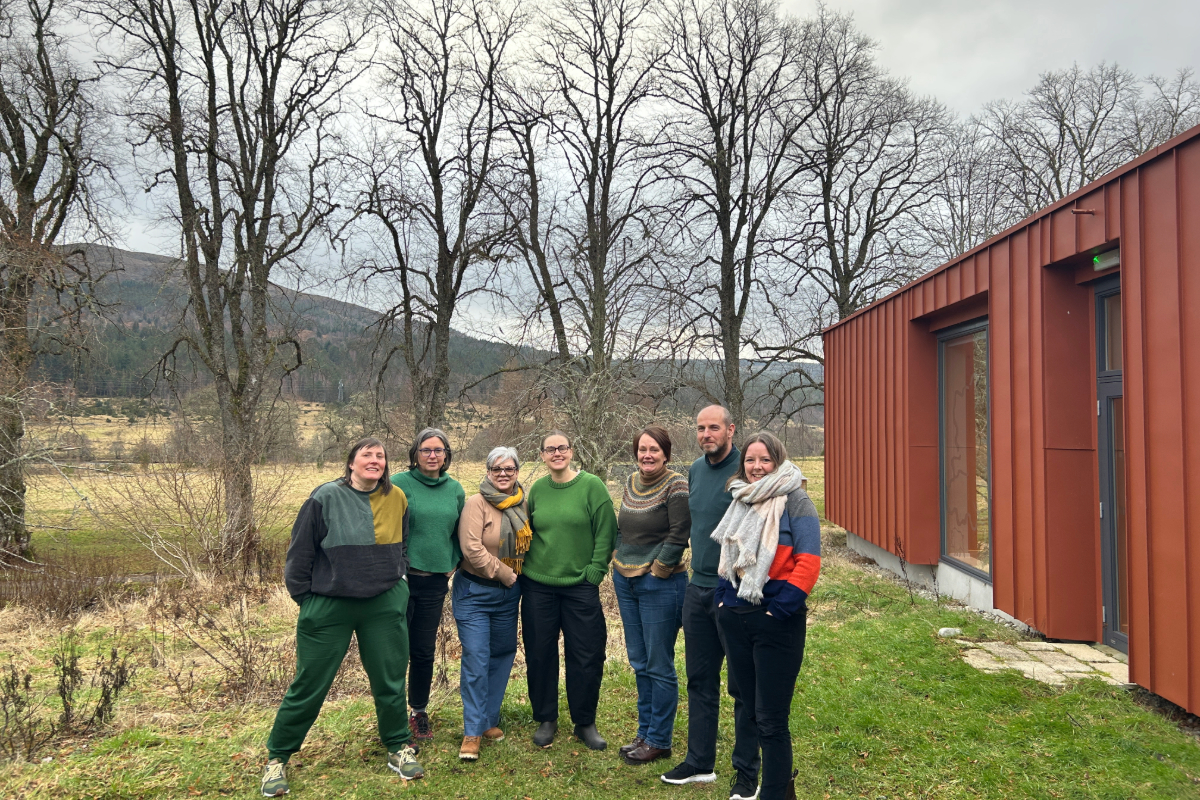
From the outset, our intention was to strengthen peer learning and deepen shared understanding across hubs, and this came through clearly in how people engaged. Through structured sessions and informal time together, we learned how different hubs really operate day to day. Not just how their models look on paper, but how they balance competing demands, respond to local pressures and adapt to the realities of their place.
Conversations around sustainable hub operations were particularly rich. Operational pressures quickly surfaced as a shared challenge, with open discussion about staffing, front-of-house hosting, systems, infrastructure and capacity. We explored the ongoing tension between development time and delivery time, the importance of keeping digital systems simple and affordable, and the reality that staff wellbeing and retention are fundamental to long-term sustainability. These were not abstract conversations, but practical ones, grounded in experience and shaped by comparison, problem-solving and peer-tested insight that people could take back into their own contexts.
It strengthened peer learning, built practical operational knowledge, deepened our understanding of membership and community, and laid the foundations for ongoing collaboration. In doing so, it created value not only for the hubs and leaders involved, but for the communities we serve and the wider ecosystem we are all part of.
Learning Outcomes
- Practical Toolkit on Rural Hub Operations: Participants will co-create a toolkit with practical guidance on remote working, community engagement and staff wellbeing in resource-scarce contexts.
- Shared Digital Case Study: A co-produced narrative and visual case study from the Dundreggan visit will document learning on regenerative practice, community leadership and resilience.
- Formation of a Micro-Collaboration Group: 3–4 hubs will commit to exploring joint projects around climate, nature or rural innovation, extending the exchange into long-term peer support and experimentation.